







Best Materials Used in Racing Chronograph Construction Explained
Why Material Selection Matters for Racing Chronographs
When you glance at a racing chronograph, you aren't just looking at a tool for measuring seconds; you are witnessing a marriage of high‑performance engineering and wearable art. Every material choice in these timepieces is deliberate, balancing the need for extreme durability against the desire for a lightweight, comfortable wrist presence.
Racing chronographs endure vibration, sharp temperature shifts, sweat, salt exposure and occasional knocks out on the track. The right materials ensure the watch holds up under motorsport‑level stress, while preserving clear readability and great everyday‑wear comfort.
Core Case Materials for Racing Chronographs
The watch case forms the protective shell for your chronograph movement. Each material delivers distinct trade‑offs between weight, scratch resistance, corrosion resistance and cost.
Grade 5 Titanium
In the world of high‑speed racing, weight is the enemy. That is why professional racing chronographs often favor Grade 5 Titanium. This aluminum‑vanadium alloy offers a superior strength‑to‑weight ratio. It feels incredibly light on the wrist during intense maneuvers, yet it is resistant to the corrosive sweat and salt that often accompany a long day at the track.
- Pros: Hypoallergenic, roughly 45% lighter than stainless steel, excellent corrosion and shock resistance
- Cons: Vulnerable to fine surface hairline scratches without DLC or other hardening surface coatings
- Best for: Track‑day use, active drivers, anyone prioritizing light all‑day comfort
Forged Carbon Fiber
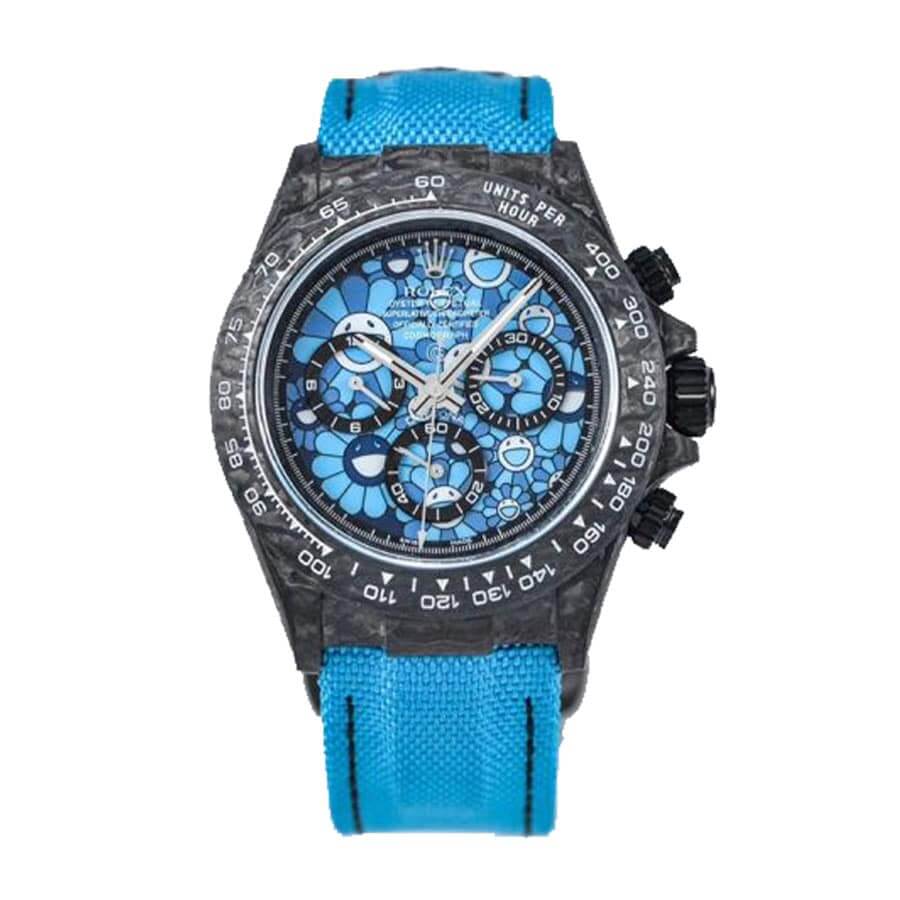
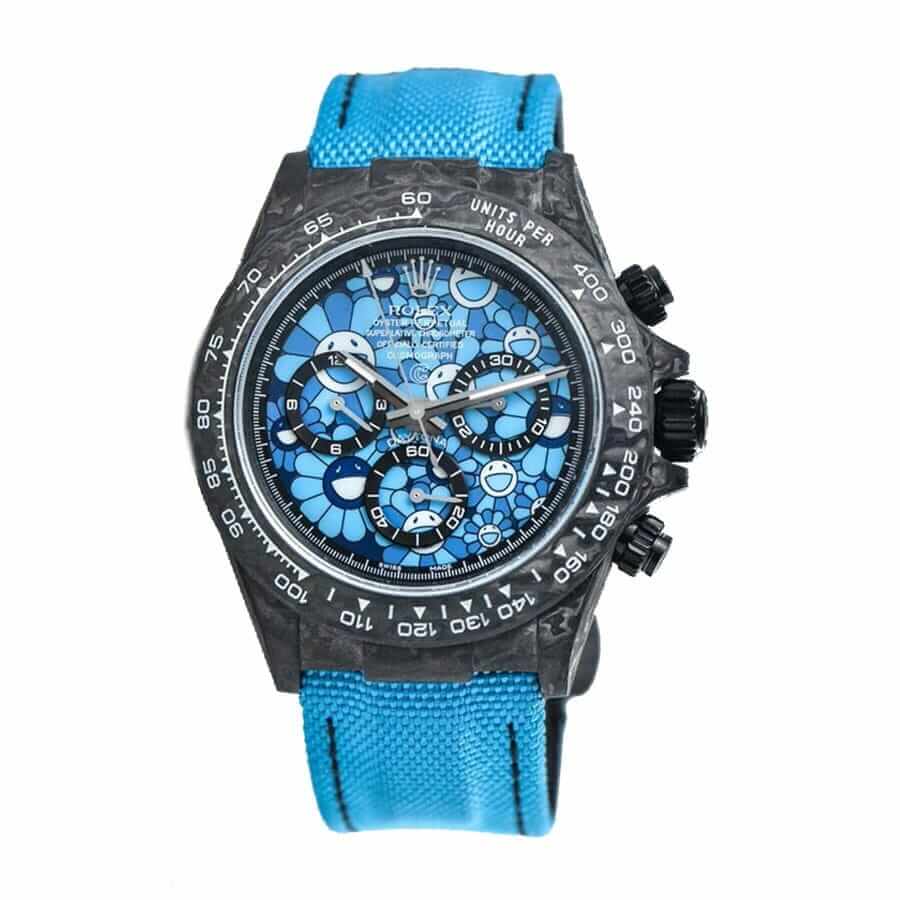
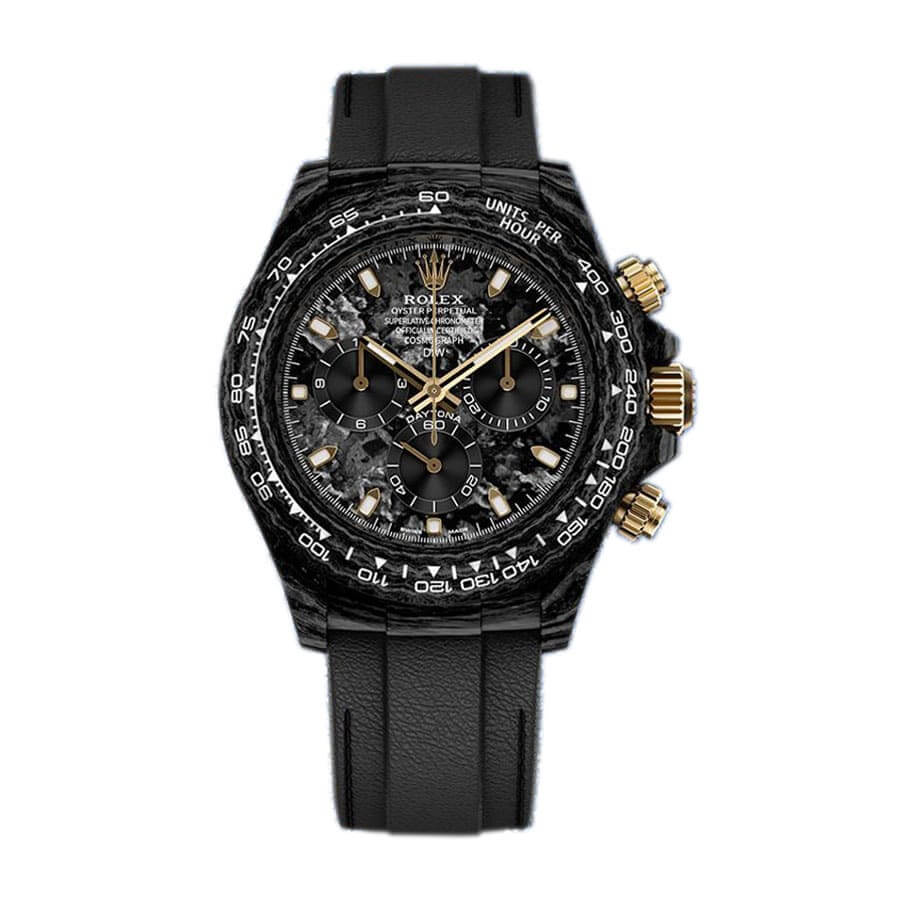
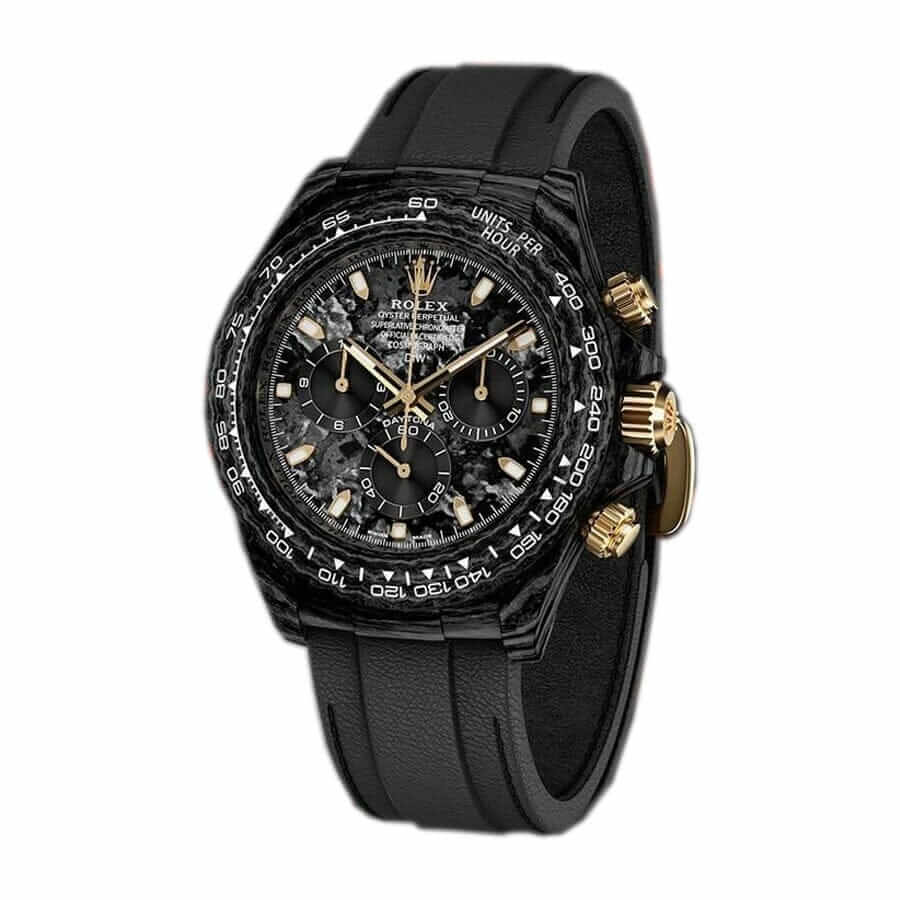
Directly adapted from Formula 1 race‑car chassis technology, forged carbon uses chopped carbon fibers pressed with resin under extreme heat. It creates unique marbled visual patterns, so every case has subtle one‑of‑a‑kind texture.
- Pros: Ultra‑lightweight, fully corrosion‑proof, high structural rigidity, bold modern motorsport aesthetic
- Cons: High manufacturing cost; deep gouges cannot be easily polished or repaired
- Best for: Enthusiasts wanting cutting‑edge racing‑inspired visual character
Zirconium‑Oxide High‑Tech Ceramic
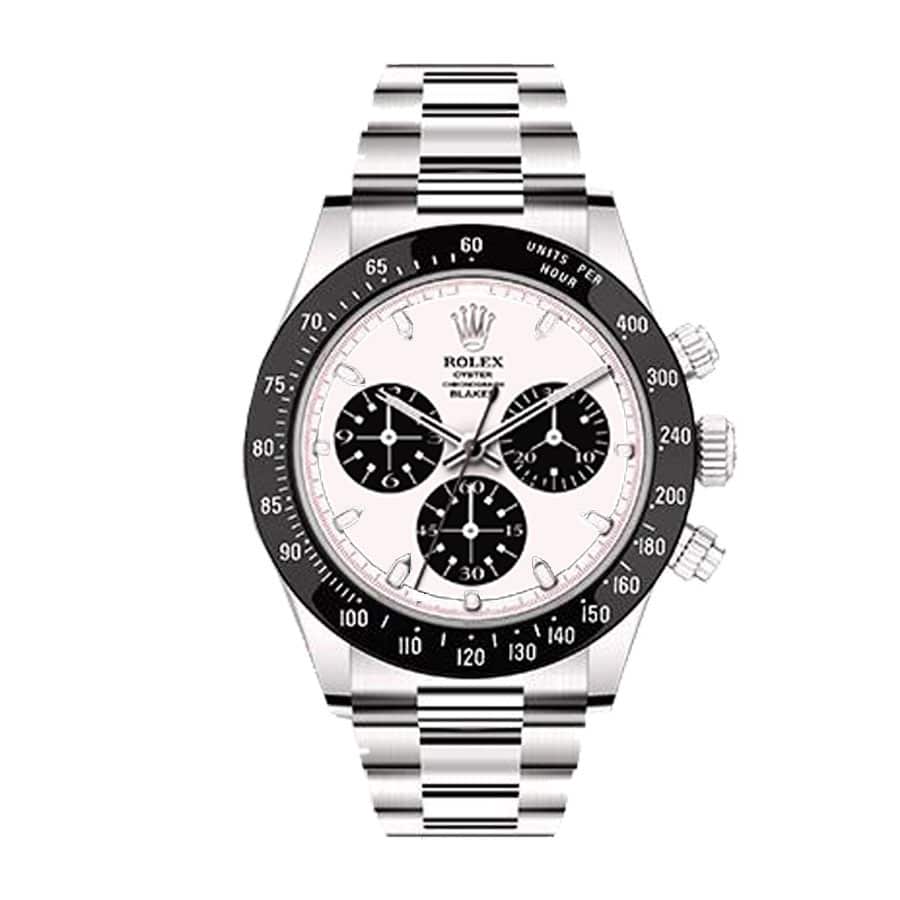
Modern racing chronographs often feature ceramic bezels and sometimes full ceramic cases for one primary reason: longevity. Ceramic is virtually immune to scratches and does not fade under UV exposure. While traditional aluminum bezels look great initially, they pick up "battle scars" quickly. A ceramic bezel remains as pristine and deep‑colored as the day you unboxed it.
- Pros: Near‑scratch‑proof, UV‑resistant, color will never fade
- Cons: Brittle; heavy sharp impacts can crack or shatter ceramic components
- Best for: Daily wear, preserving bezel finish long‑term
316L Stainless Steel
Known as surgical‑grade steel, 316L is the workhorse industry standard for most racing‑style chronographs. Molybdenum alloying protects against sweat, salt and general environmental corrosion.
- Pros: Very impact‑tolerant, easy to polish out scratches, good value and widely available
- Cons: Noticeably heavier than titanium or carbon‑fiber, can feel substantial during long driving sessions
- Best for: Classic‑style racing chronograph collectors, everyday casual use
Sapphire Crystal: The Dial Protection Standard
A racing watch is likely to encounter rough edges. To protect the intricate dial, premium chronographs utilize sapphire crystal. It is nearly impossible to scratch, ensuring that your view of the tachymeter scale remains crystal clear for years. Most high‑end makers apply an anti‑reflective coating on both sides to eliminate glare, allowing for instant legibility even under harsh sunlight.
Note: While highly scratch‑resistant, sapphire crystal can still shatter under hard sharp impact; it is not completely unbreakable.
Strap & Bracelet Material Options for Racing Use
The material touching your skin is just as important as the case itself. Different strap styles are built for different track‑and‑street scenarios:
- Perforated Leather: Inspired by vintage racing gloves. Air‑perforated holes improve ventilation, delivering timeless classic motorsport aesthetics.
- FKM Rubber: Hypoallergenic, dust‑resistant, performs excellently in hot and humid track‑day conditions. Great for heavy‑sweat use.
- Nylon / NATO: Maximum security, lightweight, rugged casual look ideal for pit‑lane duties and outdoor activity.
- Stainless‑Steel Bracelet: Durable, low‑maintenance, excellent for all‑purpose everyday wear.
Quick Reference Comparison Table
| Material | Key Advantage | Ideal Scenario | Wrist Weight Character |
|---|---|---|---|
| Grade 5 Titanium | Best strength‑to‑weight ratio, corrosion‑resistant | Track‑day, active driving | Extremely Lightweight |
| Forged Carbon Fiber | Ultra‑lightweight, unique motorsport visual texture | Modern high‑tech racing aesthetic | Feather‑light |
| Zirconium‑Oxide Ceramic | Scratch‑proof, UV‑fade‑proof finish | Long‑term preservation of bezel / case finish | Moderate |
| 316L Stainless Steel | Impact‑resistant, repairable, cost‑effective | Classic everyday racing chronograph | Substantial / Heavy |
How To Choose The Right Material For You
Choosing the right materials is about more than luxury; it is about the watch's ability to survive the vibration, temperature fluctuations, and physical demands of a high‑octane lifestyle. Whether you are behind the wheel or simply admiring the craftsmanship, these materials ensure your chronograph remains a reliable companion that keeps pace with your life.
Remember: The true value of a racing watch lies in how its materials serve its purpose. Look for a build that respects both form and function to ensure your investment stands the test of time.
Frequently Asked Questions
Is ceramic completely unbreakable on a racing chronograph?
No. Ceramic is highly scratch‑resistant and fade‑proof, yet brittle. A forceful sharp impact can chip or crack ceramic bezels or cases.
Why is Grade 5 titanium popular for motorsport‑inspired watches?
Grade 5 titanium delivers major weight reduction compared to steel, while resisting sweat‑ and salt‑related corrosion, making it comfortable during long track‑day sessions.
What is the difference between sapphire crystal and regular mineral glass?
Sapphire crystal ranks extremely high on hardness scales, resisting almost everyday scratches. Mineral glass scratches far more easily, but can sometimes be polished out. Most quality racing chronographs use double‑sided anti‑reflective sapphire crystal.
Which strap works best for hot track‑day conditions?
FKM rubber or perforated leather perform best in heat and sweat‑heavy environments. NATO nylon straps are also a solid lightweight, sweat‑tolerant alternative.