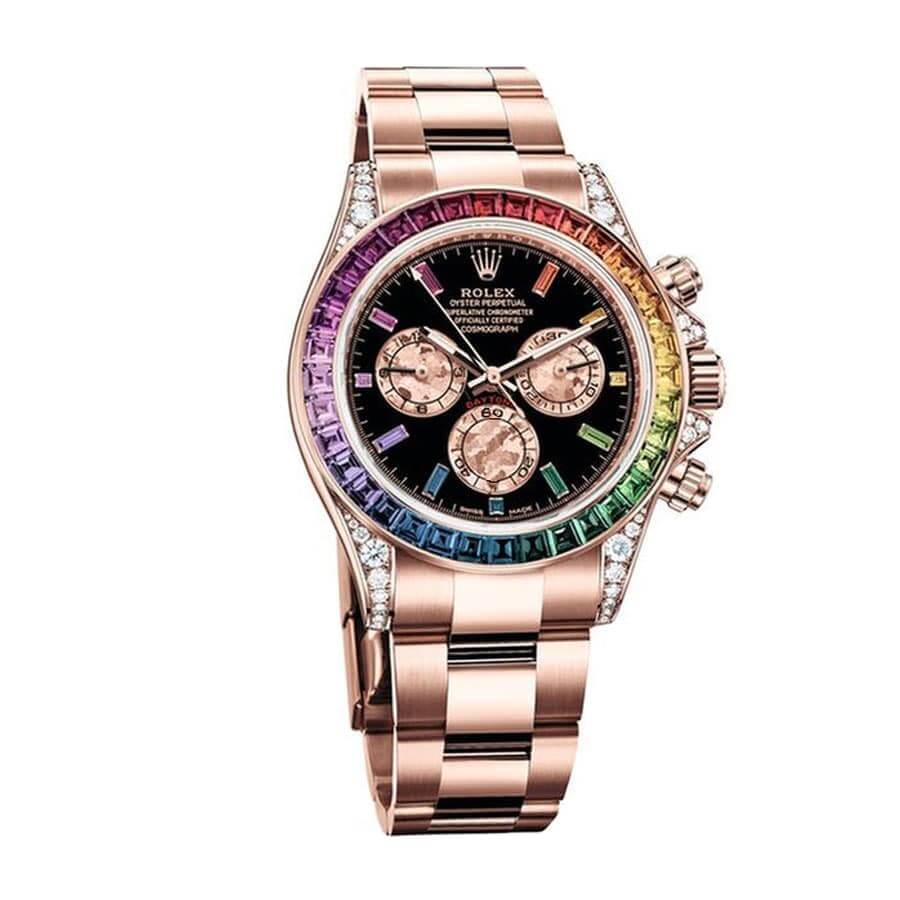








Comparing Ceramic vs. Steel Cases in Motorsport Watches
For motorsport enthusiasts, selecting case material is one of the most critical decisions when investing in a premium racing chronograph. Beyond visual styling, case construction directly impacts track performance, daily comfort, and long-term wear characteristics. Both stainless steel and ceramic bring unique engineering strengths to motorsport watch design, catering to different collector preferences between timeless durability and modern high-tech refinement.
Stainless Steel Cases: Timeless Motorsport Workhorse
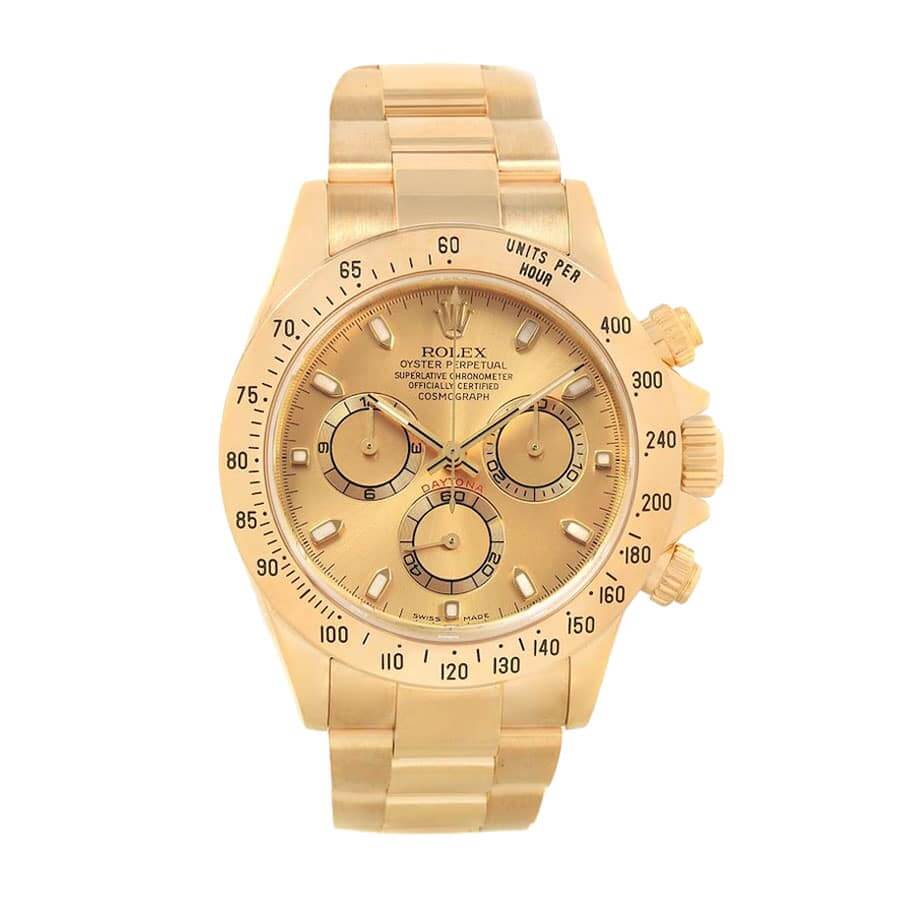
Stainless steel has long served as the foundational material for classic motorsport timepieces. Renowned for exceptional structural rigidity and reliable impact resistance, steel cases deliver reassuring solidity behind the wheel and during everyday wear. Built to withstand track vibration, minor abrasions, and regular outdoor use, steel racing watches offer outstanding long-term dependability.
A key advantage of steel casing is its repairable nature. Minor scuffs and surface marks accumulated from driving and daily activity can be professionally polished, restoring the watch’s original finish. Over time, steel develops a unique natural patina that records every track session and daily adventure, adding personalized character to your timepiece.
- Pros: Superior impact resistance, easy maintenance and restoration, timeless versatile aesthetics, excellent daily durability
- Cons: Susceptible to fine hairline scratches, heavier wrist feel during extended wear
Ceramic Cases: High-Tech Lightweight Racing Engineering
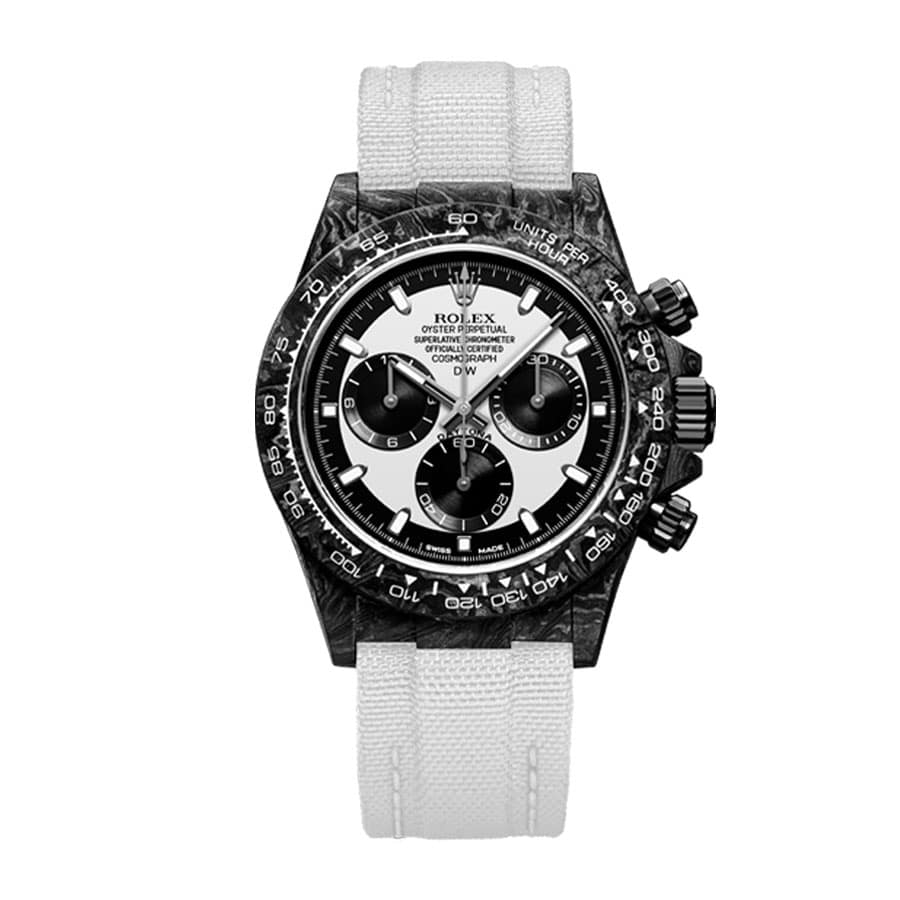
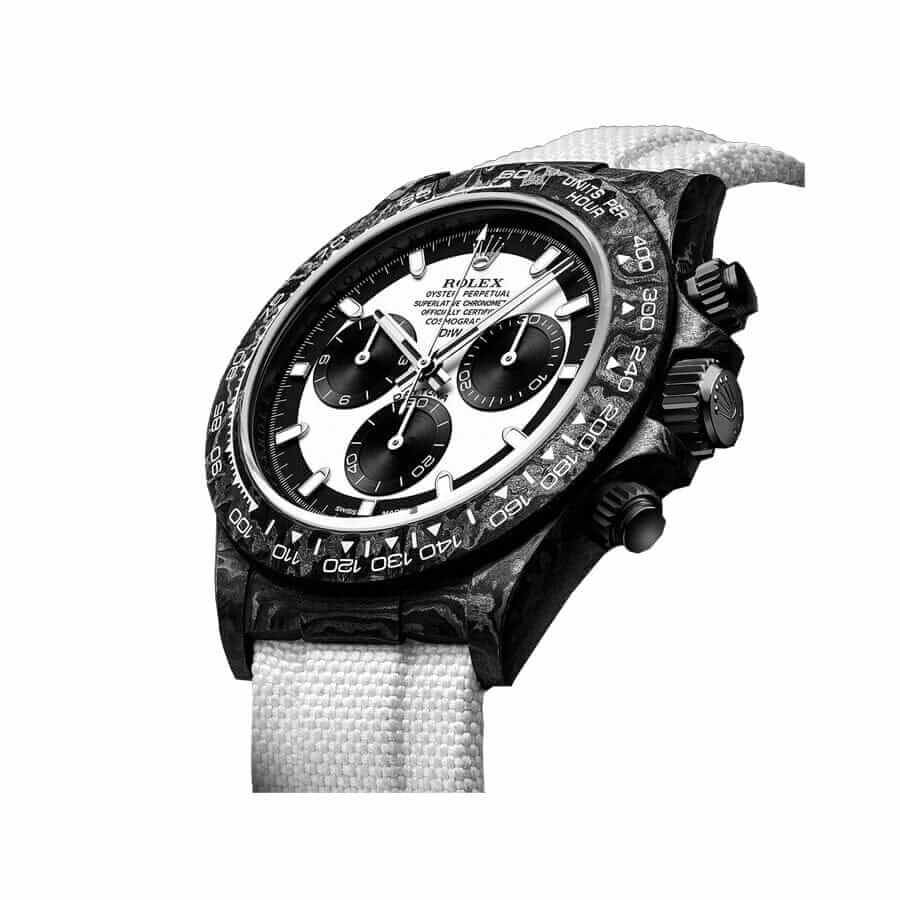
Drawing engineering inspiration from lightweight composite components used in professional motorsport vehicles, ceramic casing represents modern horological innovation. Engineered for extreme hardness, ceramic surfaces are nearly impervious to everyday scratches, maintaining a pristine, showroom-grade appearance year after year.
The ultra-lightweight build drastically reduces wrist fatigue during long drives and track sessions, making it ideal for active racing enthusiasts. Additionally, ceramic features effective thermal resistance, anti-glare matte finishing for clear visibility under bright circuit lighting, and natural hypoallergenic properties for all-day comfortable wear without skin irritation.
- Pros: Virtually scratch-proof surface, ultra-lightweight construction, heat and fade resistance, sleek modern matte finish, hypoallergenic
- Cons: Brittle under extreme heavy impact, higher manufacturing cost, cannot develop natural wear patina
Which Material Is Right for Your Racing Chronograph?
The perfect case material ultimately aligns with your personal lifestyle and collection philosophy. Stainless steel suits traditional enthusiasts who value mechanical heritage, rugged endurance, and time-worn character that evolves with years of use. It embodies classic accessible luxury, balancing durability and practicality for long-term collection value.
Ceramic caters to modern innovators who prioritize cutting-edge motorsport engineering, flawless aesthetics, and lightweight performance. Its consistent pristine look and track-optimized functionality make it a premium choice for drivers pursuing refined, high-tech racing style.
Whether you prefer the enduring toughness of steel or the futuristic precision of ceramic, every motorsport-style racing chronograph delivers purpose-built performance tailored for true racing passion.