







The Evolution of Motorsport Watches: From Classic to Modern Designs
Motorsport‑inspired timepieces stand as one of the most celebrated segments within premium watchmaking, evolving hand‑in‑hand with racing vehicle technology and performance demands. The design language of premium racing chronograph watches has shifted from pure, utilitarian cockpit tools to ultra‑high‑tech wearable machines, mirroring the engineering progress of competitive racing cars themselves. From bold mid‑century classics to futuristic avant‑garde models of today, each era shaped the functional and aesthetic identity of modern motorsport‑style chronographs.
- [1960s Classic] ────► [1970s Experimental] ────► [1990s Analog‑Digital] ────► [Modern Avant‑Garde]
- High‑Contrast Dials
- Avant‑Garde Case Shapes
- Precision‑Focused Movements & Digital Readouts
- Advanced Aerospace‑Grade Materials
The Classic Era (1960s – 1970s): Legibility & Dashboard‑Style Instrument Clusters
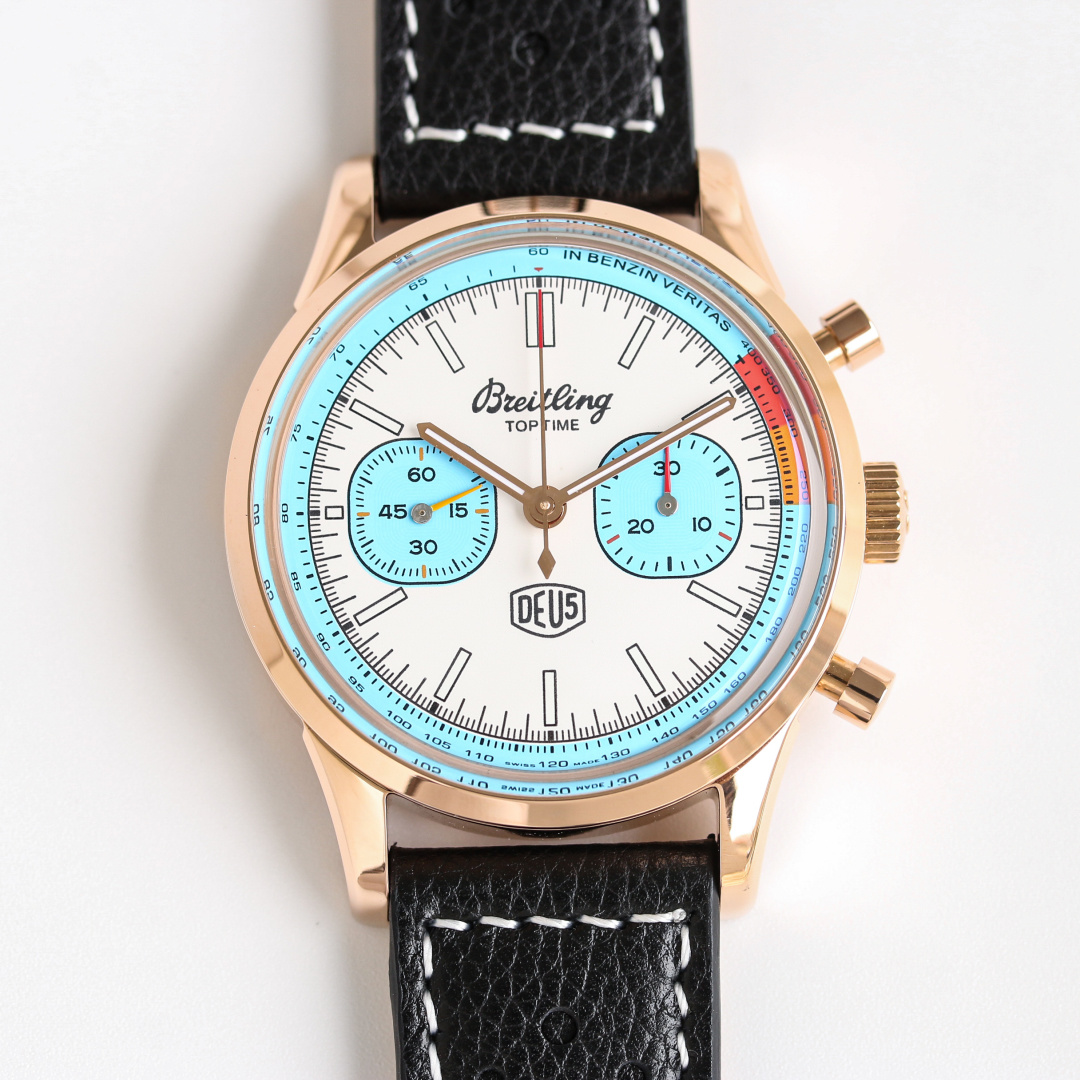
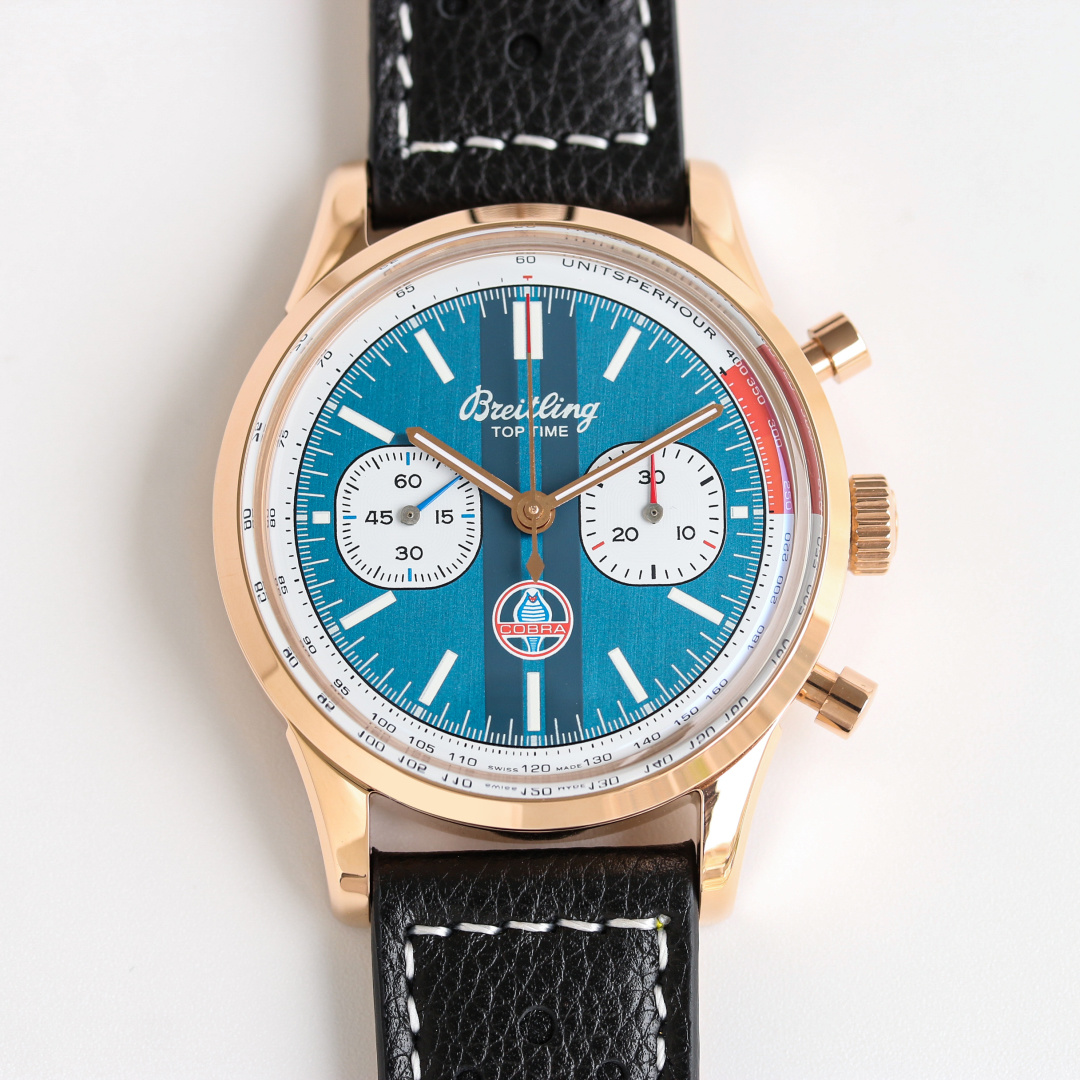
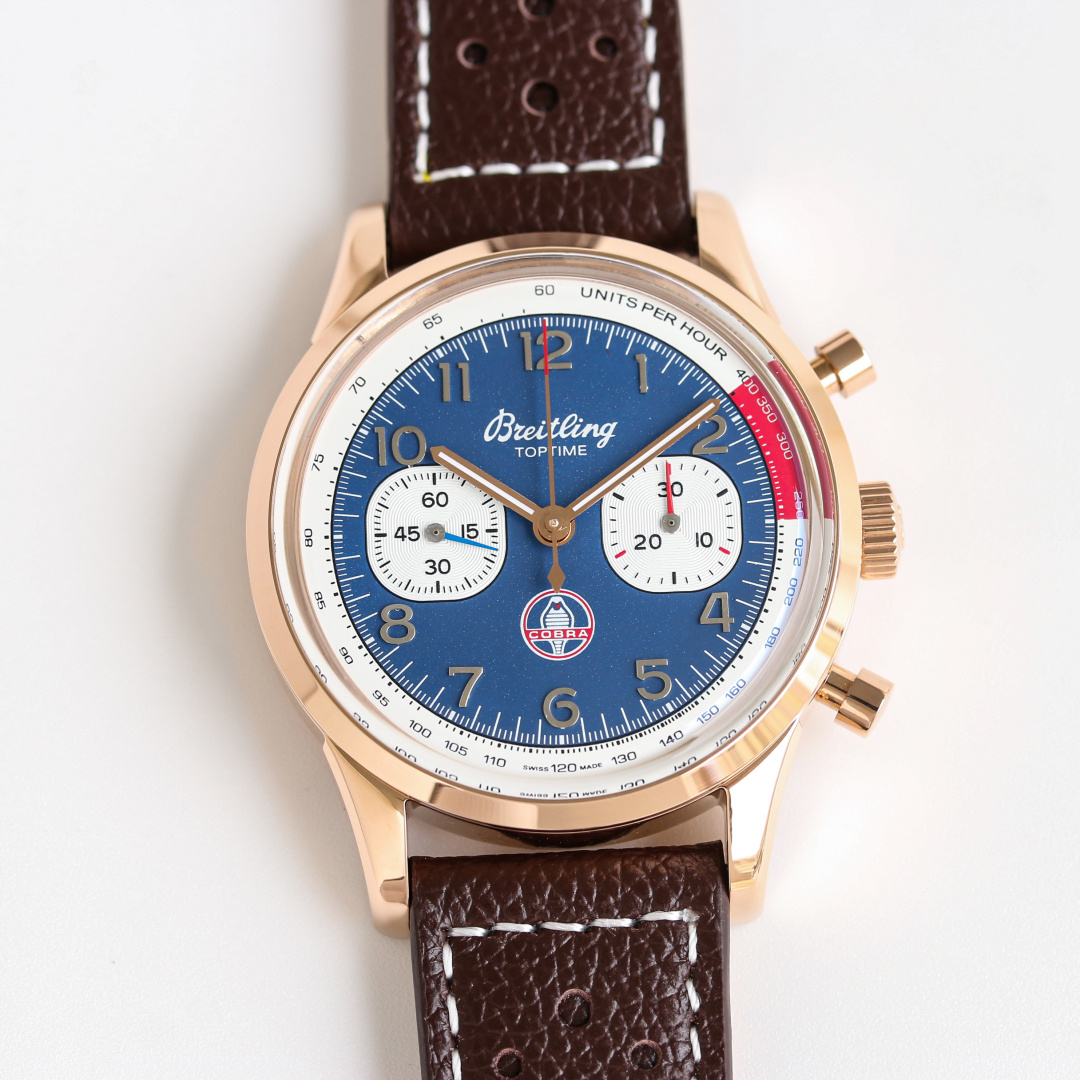
Early motorsport chronographs were engineered exclusively for real‑world cockpit functionality, prioritizing instant readability amid high‑speed vibration and harsh track conditions. Timepieces built for competitive racing featured high‑contrast dials, with iconic two‑tone dial configurations enabling drivers to check lap times and timing metrics with a single quick glance.
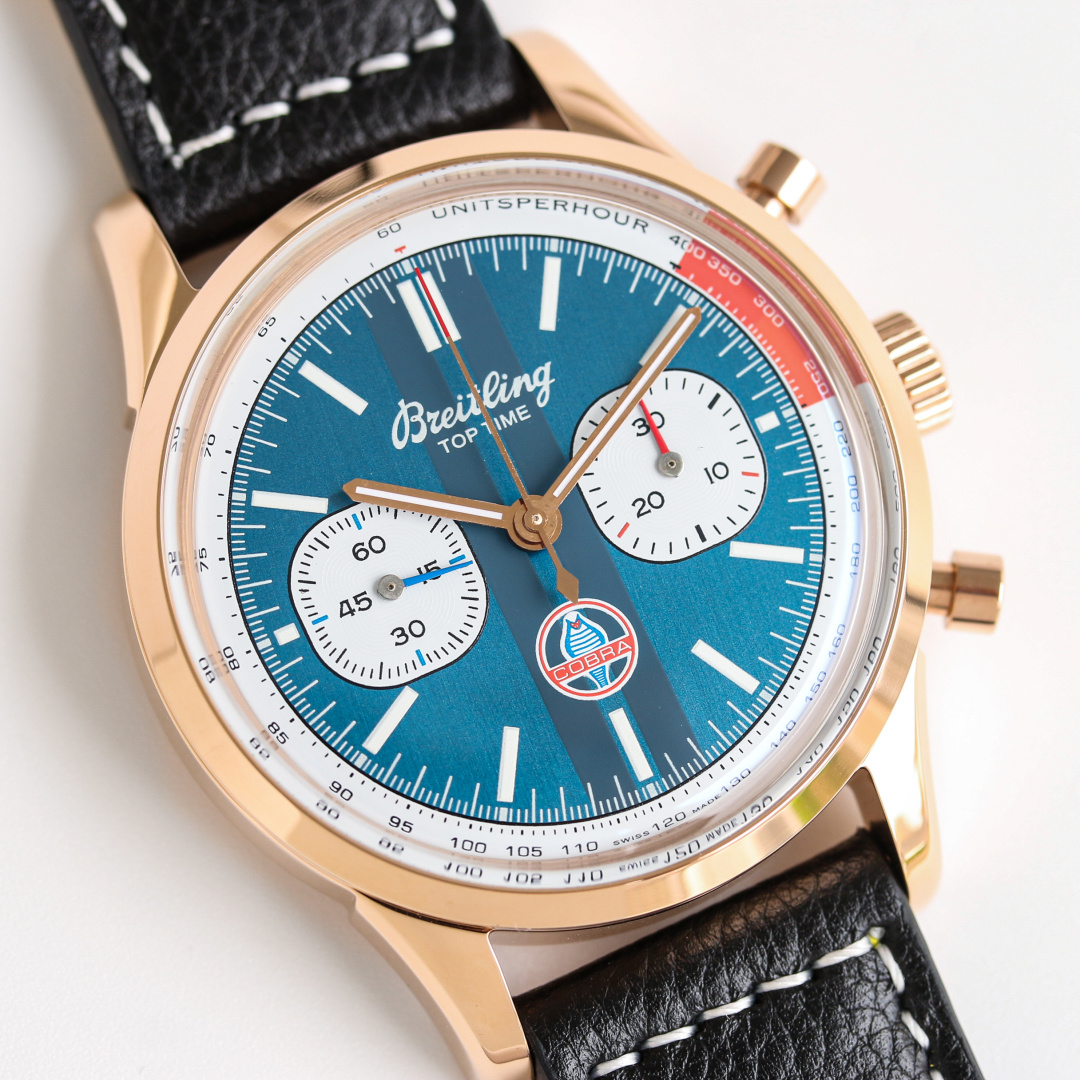
External timing scales moved from main dial surfaces to outer bezels, freeing visual space and establishing the timeless visual signature of racing‑focused luxury watches. The 1970s brought experimental, asymmetrical case silhouettes and angular frame designs, created to accommodate early automatic high‑quality chronograph movements and push the boundaries of wearable racing instrumentation.
The Precision & Electronic Era (1980s – 1990s): Enhanced Accuracy & Motorsport Brand Partnerships
The rise of battery‑powered precision movements redefined timekeeping accuracy for racing‑style watches, delivering split‑second timing down to 1/100th of a second for professional motorsport applications. Hybrid analog‑digital models combined traditional rotating hands with digital display panels, adding lap memory, telemetry tracking, and customizable alert functions for racing enthusiasts.
Major motorsport league partnerships drove mainstream adoption of bold, color‑blocked premium timepieces constructed from durable resin and steel materials. These accessible‑luxury chronographs brought professional racing aesthetics to everyday wearers, cementing motorsport watch culture within mainstream high‑end fashion.
The Modern Avant‑Garde Era (2000s – Present): High‑End Horology Meets Hypercar Engineering
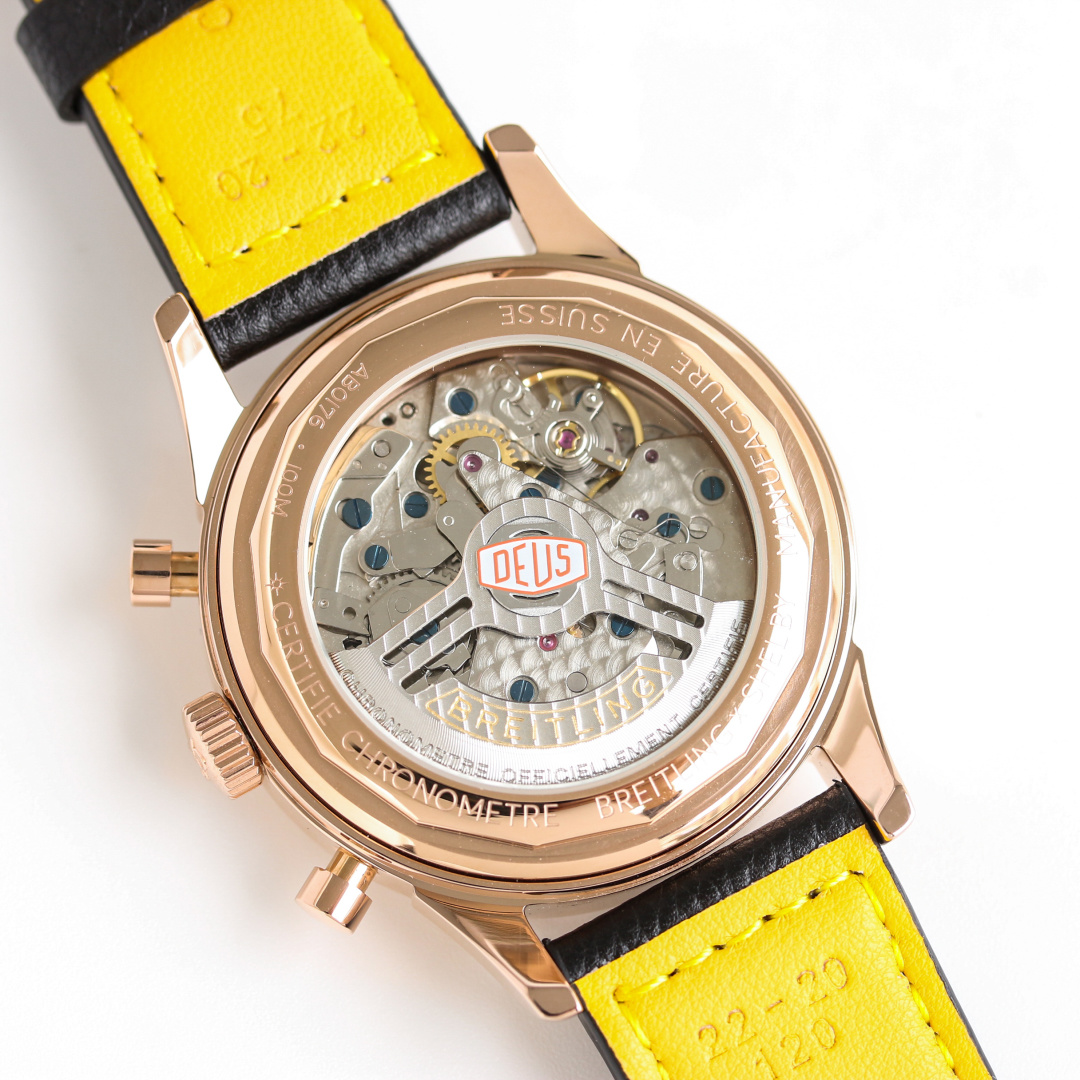
Contemporary premium racing chronograph watches adopt cutting‑edge automotive and aerospace materials, replacing conventional brass and steel with forged carbon, high‑grade titanium, and scratch‑resistant transparent case components to match hypercar performance standards.
Watch designers integrate extreme structural architecture inspired by automotive suspension systems, using shock‑absorbing mounting elements and open‑worked movement frames to replicate high‑performance vehicle mechanics. Advanced mechanical complications including vertical rotating time regulators and linear time displays mirror engine block and piston engineering principles, creating wearable art for motorsport lovers.
Today’s connected luxury timepieces add smart telemetry features, with embedded location tracking and lap‑recording software calibrated specifically for global professional race circuits, bridging traditional fine watchmaking with modern motorsport technology.
Across six decades, motorsport watches transitioned from pure racing equipment to symbols of attainable luxury, where precision engineering, bold design, and automotive passion combine in wearable form. Explore our curated selection of premium racing chronograph watches to discover timepieces crafted for performance‑driven style.