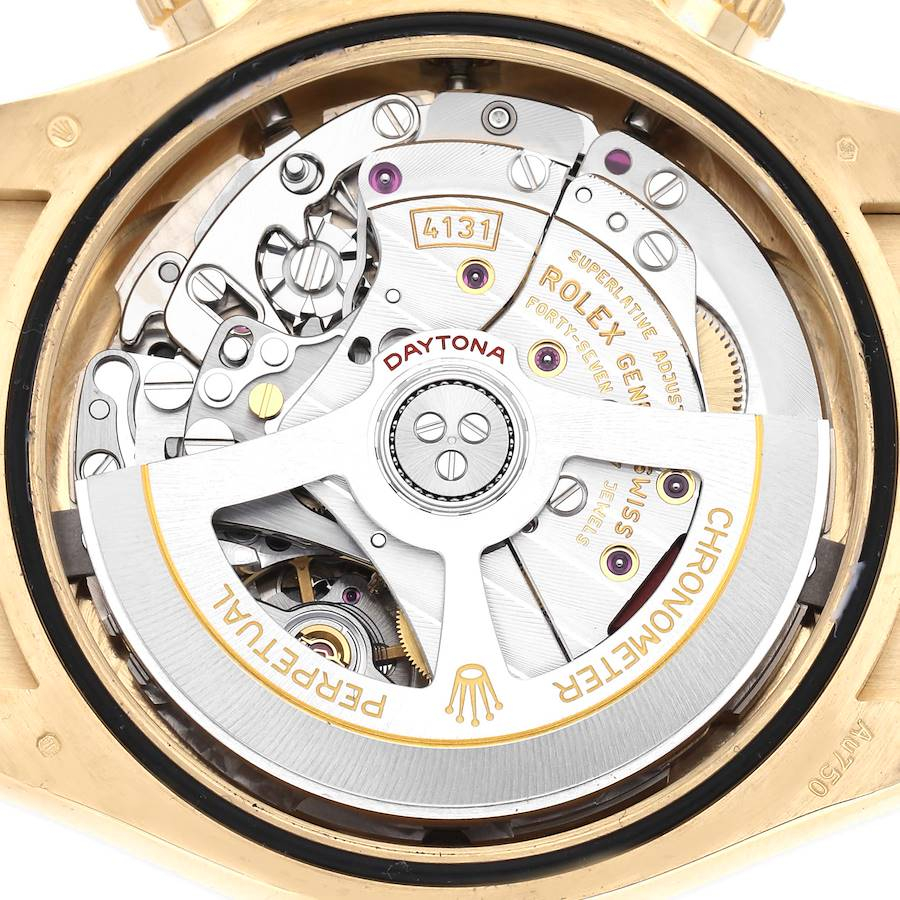








How Weather Conditions Affect Chronograph Performance on the Track
Weather & The Racing Chronograph: What Track‑Day Enthusiasts Should Know
For motorsports enthusiasts and precision timekeepers, the chronograph is more than a watch—it is a vital tool for measuring performance. But have you ever wondered if the sweat‑drenched heat of a summer track day or the biting chill of an early morning session impacts your gear? The truth is, weather conditions play a subtle but significant role in how mechanical chronographs function on the track.
Many racing fans assume a well‑built chronograph will deliver identical precision in every environment. In reality, temperature swings, humidity, moisture and altitude all create real‑world influences on movement behavior and watch sealing.
Temperature Impacts: Heat and Cold on Mechanical Lubricants
At the heart of every high‑end mechanical chronograph is a delicate dance of springs, gears, and microscopic lubricants. Temperature is the primary variable here:
- Extreme Heat: When ambient temperatures soar, watch oils can become thinner. This may lead to faster movement of parts, potentially causing slight timing deviations. While modern synthetic lubricants are engineered to be stable, the physical properties of the metal components themselves can expand slightly under intense, prolonged heat.
- Frigid Cold: Conversely, cold weather can cause lubricants to thicken or "gum up." This increases friction within the gear train, which might lead to the chronograph losing time or struggling to maintain a consistent amplitude.
These shifts are usually minor for well‑maintained modern movements. However, repeated large temperature swings over track weekends accelerate long‑term wear on internal components.
Humidity, Moisture and Watch Seal Integrity
The track environment is rarely pristine. Humidity, coupled with rapid pressure changes if you are at high‑altitude circuits, can challenge the integrity of your watch seals.
If moisture enters the case, it does not just fog the crystal—it can corrode the delicate hairspring, leading to catastrophic timing errors that render your lap time tracking useless. Even watches with strong water‑resistance ratings are not immune over time: gaskets degrade gradually from vibration, temperature cycling and regular wear.
High humidity paired with sweat from driving also creates extra stress on crowns and chronograph pushers, which are common entry points for dampness.
Other Environmental Factors At The Circuit
- Direct Sun & Radiant Heat: Leaving your watch resting on a hot dashboard amplifies internal watch temperatures far above ambient air temperature, accelerating oil thinning.
- Altitude Changes: Mountain‑located race tracks bring barometric pressure shifts that place additional stress on aging rubber gaskets.
- Vibration paired with dampness: Track‑generated vibration can slightly compromise seals; if rain or heavy dew arrives at the same time, the risk of internal moisture intrusion rises.
Practical Track‑Day Tips To Preserve Chronograph Precision
You do not need to baby your watch, but a few simple habits ensure your chronograph stays accurate while you push your vehicle to the limit:
- Avoid Direct Sun: When you are not on the track, keep your watch shaded. A watch sitting on a hot dashboard or exposed to direct trackside sun for hours can absorb significant heat.
- Check Your Seals: If you are a frequent track‑goer, have your watch pressure‑tested annually. Vibration and fluctuating temperatures can degrade gaskets over time.
- Let it Acclimate: If moving from a climate‑controlled vehicle into a sweltering track paddock, allow your watch a few minutes to normalize before relying on it for high‑stakes timing.
- Dry after damp conditions: Wipe down case, pushers and crown with a soft dry cloth after rain, heavy dew or sweat‑soaked driving sessions.
- Store at room temperature: After a track weekend, avoid leaving your chronograph inside a hot car overnight.
Distinction: Wrist‑Worn Chronograph vs Range‑Testing Chronograph Devices
It is worth separating wrist‑worn racing chronograph watches from projectile‑testing chronograph units used at shooting ranges. Those optical, magnetic and radar‑based measurement devices face completely different weather‑related failure modes:
- Light‑based optical chronograph sensors struggle under bright direct sun, dappled tree shadows, rain, fog and snow.
- Barrel‑mounted magnetic chronographs are unaffected by lighting, but extreme temperatures can shift clamp alignment.
- Doppler radar chronograph systems deliver near‑all‑weather performance through rain, snow and bright sunlight.
These are external measurement tools, and the weather vulnerabilities here do not apply to your wrist‑mount mechanical racing chronograph.
Final Thoughts
While a mechanical chronograph is built to withstand the rigors of racing, understanding these environmental factors adds a layer of appreciation for the machine on your wrist. By taking small precautions, you ensure that when you hit that start button, the time you record is as precise as the engine under your hood.
Quality racing chronograph movements are robust, yet not completely immune to the harsh variable weather found at race circuits. Regular service and smart track‑day habits will keep your timepiece performing lap after lap.
Frequently Asked Questions
Will cold weather make my chronograph stop working on track days?
Modern synthetic watch lubricants minimize cold‑weather issues. Severe freezing conditions may create minor time loss from thickened oil, but total failure is rare for well‑serviced watches.
Does high water‑resistance mean I never need to pressure‑test my chronograph?
No. Rubber gaskets degrade slowly from vibration, heat cycles and age. Even a 200‑meter water‑resistant racing chronograph should get annual pressure testing for regular track‑day users.
Can leaving my watch on a hot dashboard permanently damage chronograph performance?
Single‑event overheating rarely causes permanent failure, but repeated exposure speeds lubricant degradation and gasket aging, which will hurt long‑term accuracy.
What should I do if my watch crystal fogs after track‑day rain or heavy dew?
Fog inside the crystal means moisture has penetrated past seals. Avoid heating it to dry out internally and seek professional watchmaker inspection promptly to prevent hairspring corrosion.