







Step-by-Step Guide to Calibrating Your Racing Chronograph
What Exactly Is a Chronograph Complication?
A chronograph is far more than just a watch; it is a masterpiece of precision‑built horology engineered to measure elapsed time. For motorsport fans and watch collectors, mastering this complication unlocks a deeper appreciation for high‑performance racing‑style timepieces.
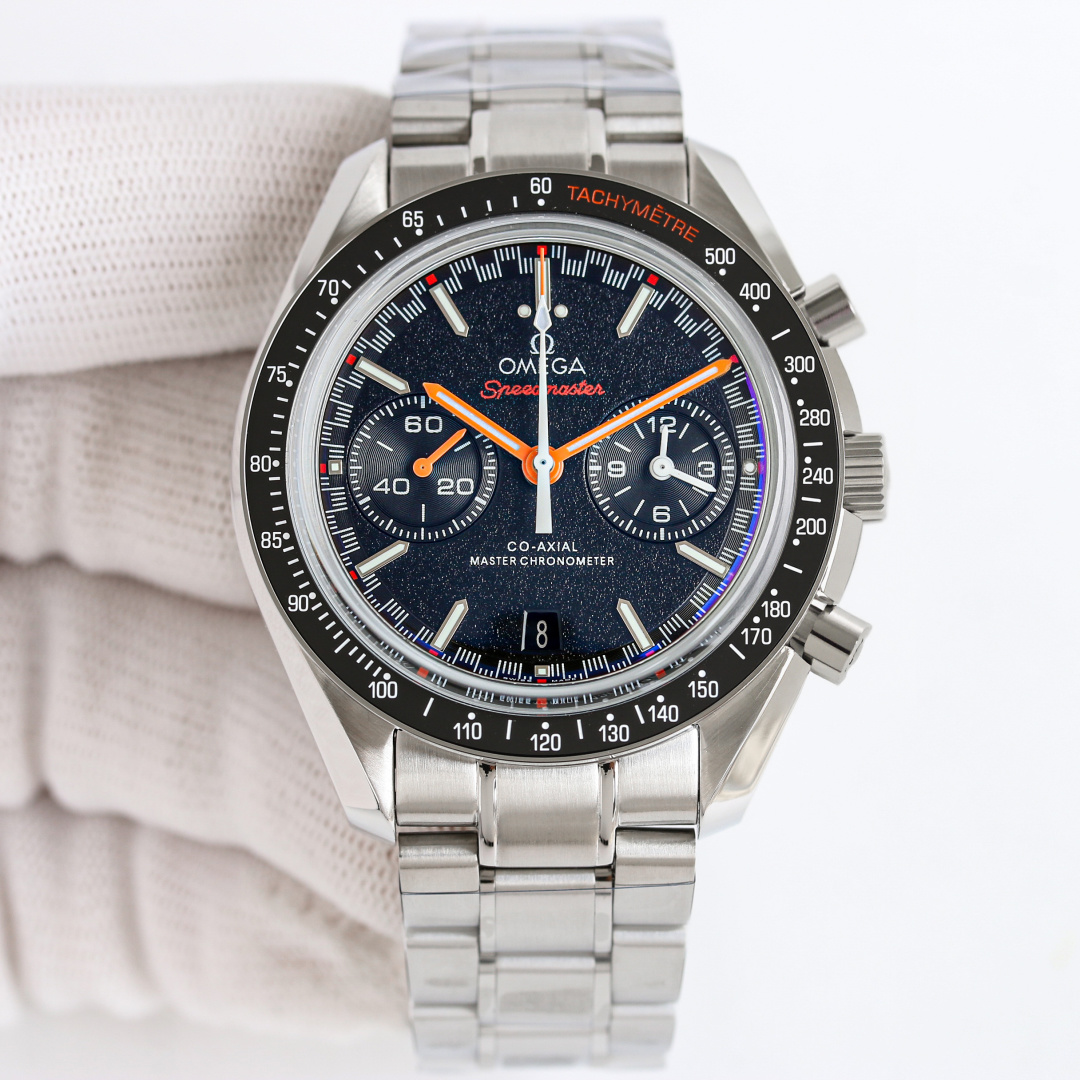
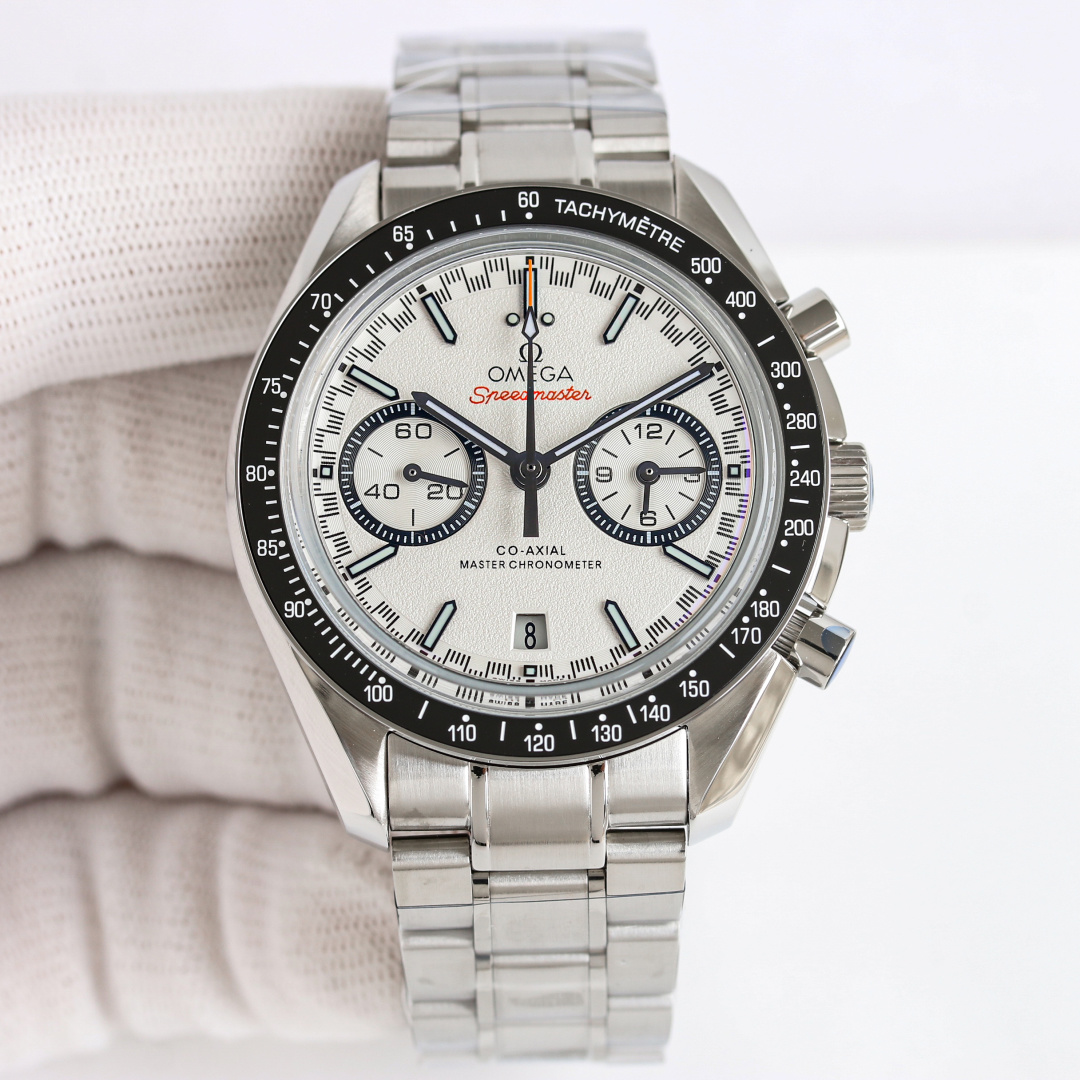
At its core, a chronograph integrates a fully‑functional stopwatch into the base watch movement. Whether you are tracking race lap times or timing real‑world events, the system operates through a sophisticated network of gears, levers and clutch assemblies. Three key external components define most chronograph watches:
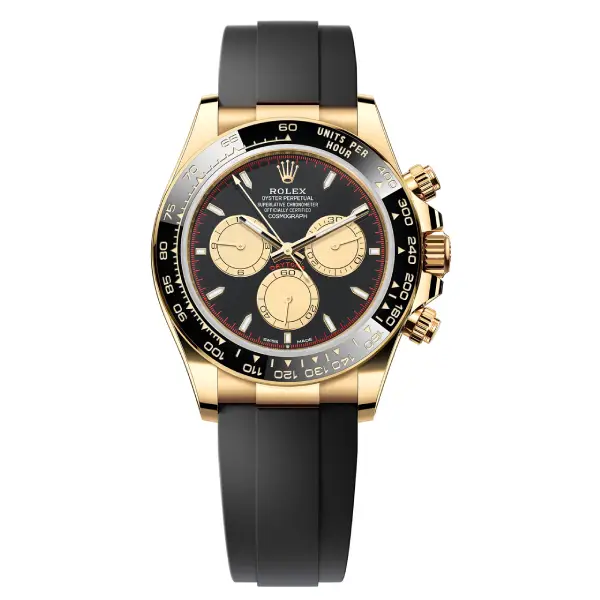
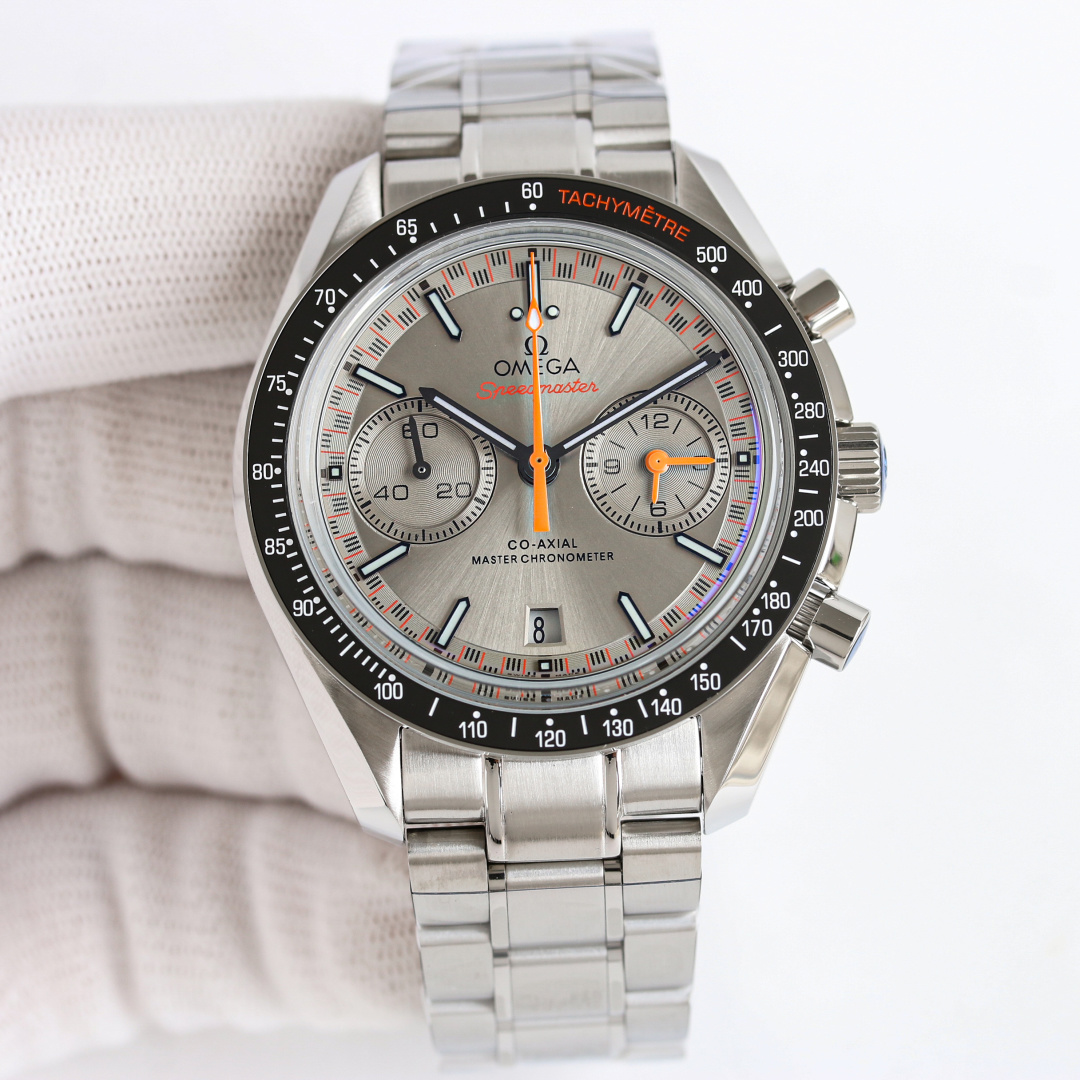
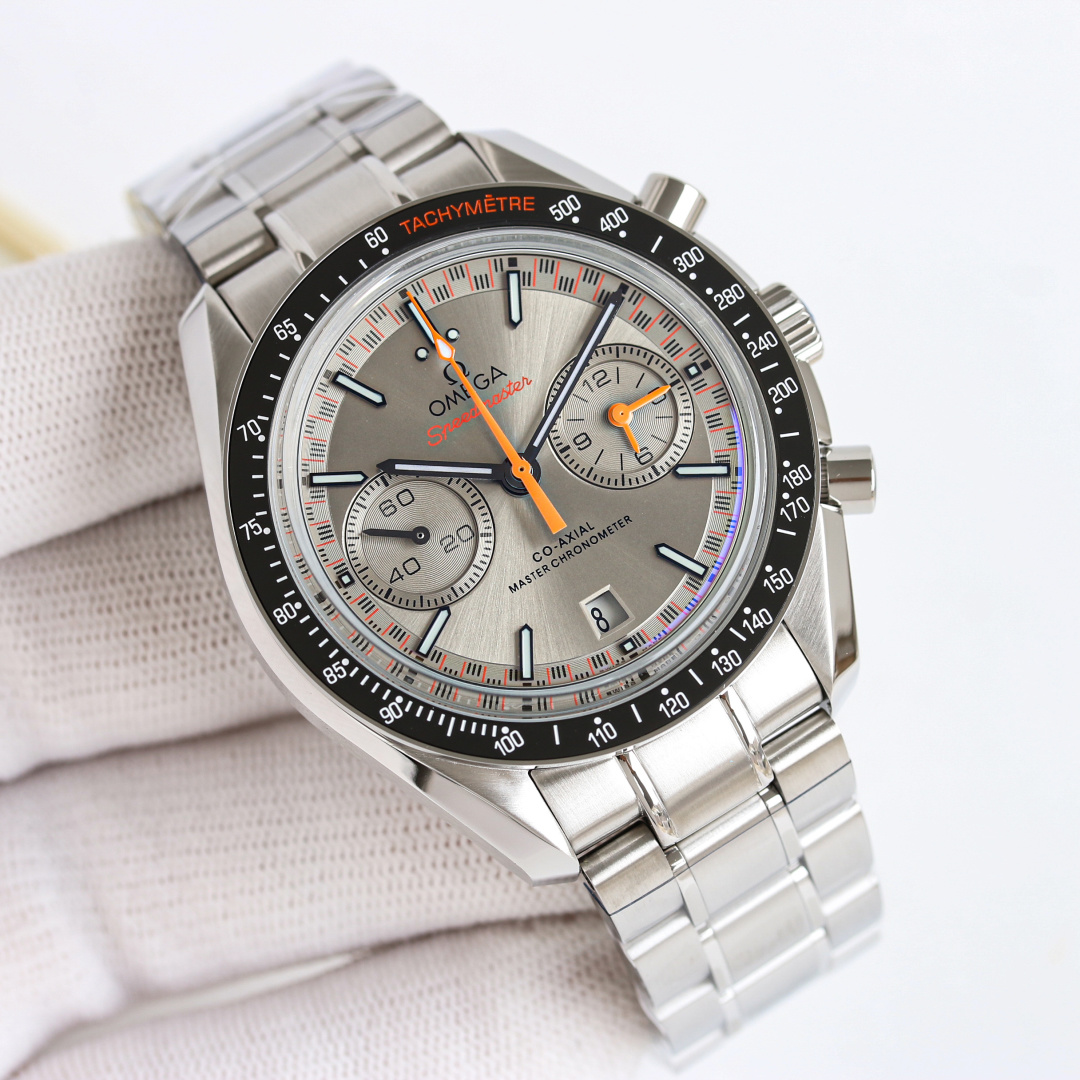
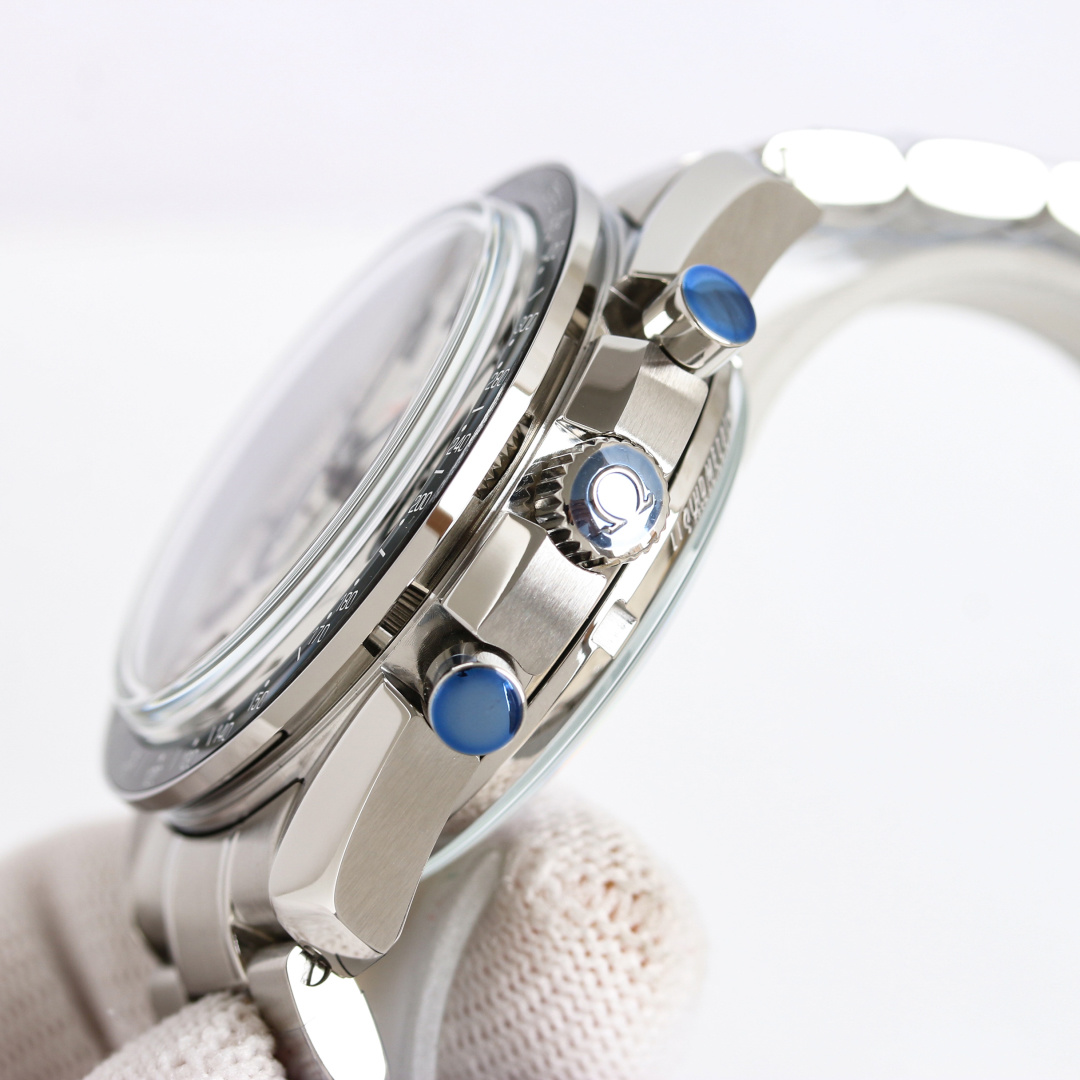
- The Pushers: Typically positioned at 2 and 4 o’clock, these external buttons handle start, stop, and reset for the chronograph sweep hand.
- Sub‑dials: Small inner registers for tracking elapsed minutes and hours, enabling timing for sessions far longer than one minute.
- The Tachymeter Scale: Most often engraved onto the bezel. It converts measured elapsed time into average speed — an iconic feature beloved by motorsports enthusiasts.
Core Internal Chronograph Movement Mechanics
The real performance differences between chronograph watches live inside the movement. Two critical design categories shape pusher feel, reliability and long‑term durability: actuation systems and clutch types.
Column‑Wheel vs Cam‑Actuated Chronographs
- Column‑Wheel: Found on premium high‑end chronograph calibers. It uses a rotating pillar‑style turret to guide internal levers. Pushers deliver silky‑smooth tactile feedback; chronograph hands engage cleanly with minimal stutter. This design is enthusiast‑favored, though complex manufacturing raises costs.
- Cam‑Actuated: A robust, cost‑effective alternative built around a heart‑shaped cam component. Button presses require slightly more force, yet the whole assembly is extremely durable and straightforward for watchmakers to service and repair.
Vertical Clutch vs Horizontal Clutch
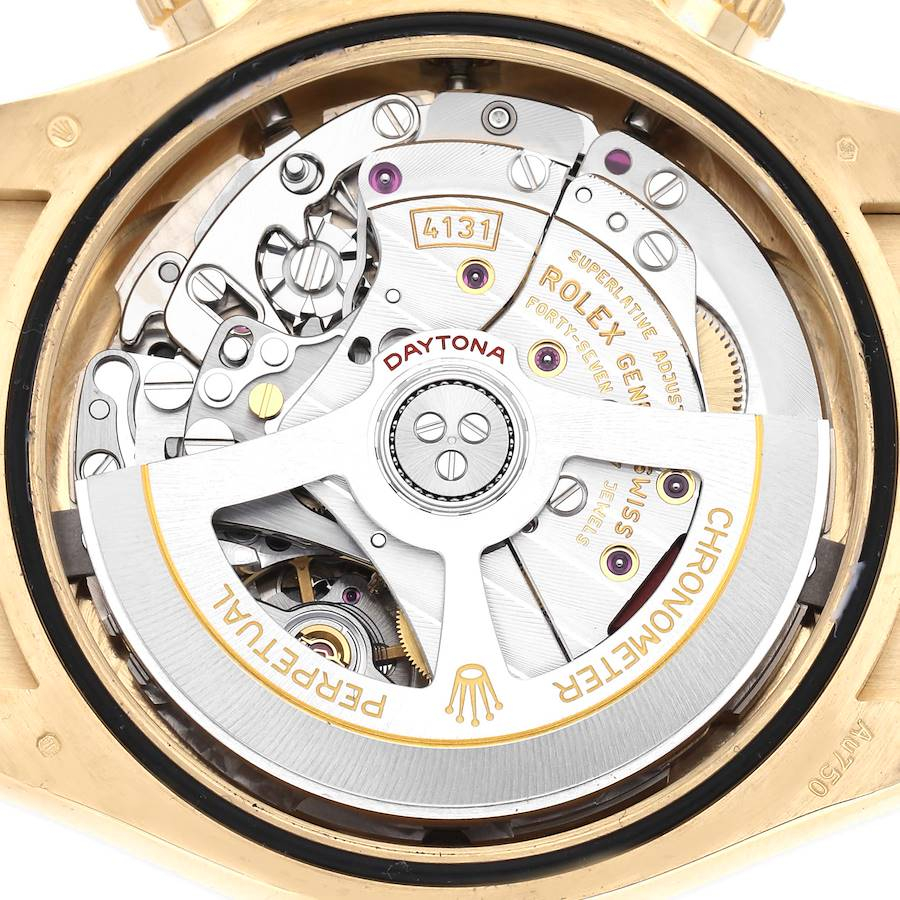
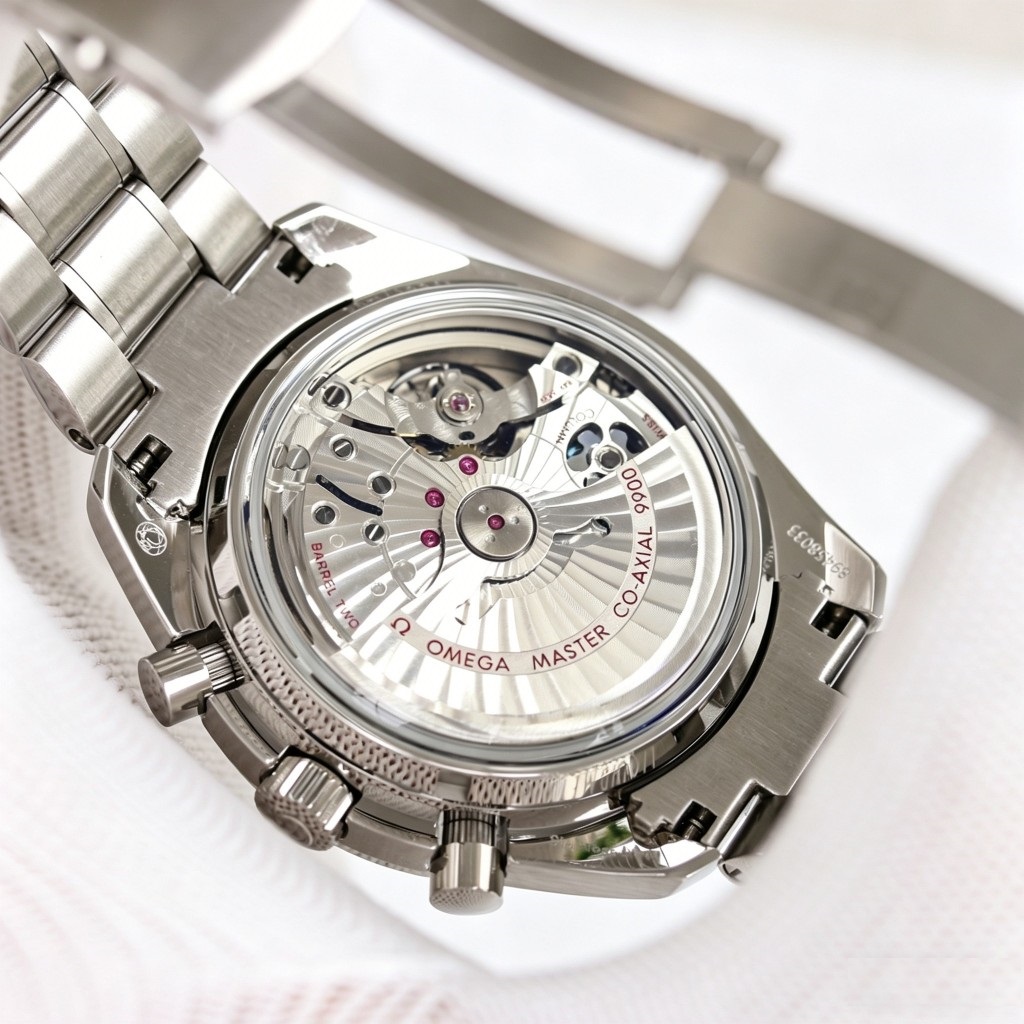
- Horizontal (Lateral) Clutch: Meshes timekeeping gears and chronograph gears side‑by‑side. It looks spectacular through a sapphire display case‑back. One known weakness: the chronograph seconds hand can produce a small jump or stutter when first activated.
- Vertical Clutch: Engages gears by stacking friction discs. It eliminates hand shudder for perfectly smooth starts, and permits extended chronograph run‑time without excessive wear to the base movement — ideal for frequent lap‑timing use.
Advanced Chronograph Complications For High‑Performance Use
Standard start‑stop‑reset chronographs serve general‑purpose timing well, but watchmakers have created specialized advanced complications tailored for motorsport, aviation and competitive sports.
Flyback Chronograph
On a conventional chronograph, timing consecutive laps demands three distinct actions: Stop → Reset → Start. A flyback chronograph executes reset and instant restart from zero with just one single button press, cutting down lost fractions of a second.
- Best for: Racing drivers and pilots timing repeated laps or navigation segments.
Rattrapante (Split‑Seconds) Chronograph
Derived from French rattraper meaning “to catch up”, rattrapante ranks among the most complex horological complications. It has two overlapping chronograph seconds hands that run in unison.
- Press the main pusher to launch both hands simultaneously.
- Trigger the dedicated third pusher to halt the top split hand to log an intermediate lap time, while the second hand keeps running freely.
- Press again, and the split hand catches back up to align with the moving hand.
- Best for: Timing two competitors or multi‑stage racing events at once.
Monopusher (Monopulsante) Chronograph
Ditching the classic two‑button layout, the monopusher uses only one button (often integrated within the crown) to cycle sequentially through Start → Stop → Reset functions.
- Best for: Collectors chasing clean vintage‑style case aesthetics. Limitation: you cannot pause and later resume an ongoing timing session.
High‑Frequency / Fractional‑Second Chronographs
Standard mechanical chronographs beat at 4Hz (28,800 vph), capable of measuring increments down to 1/8 of a second. High‑frequency movements raise vibration frequency for finer resolution:
- 5Hz movements (36,000 vph): reads down to 1/10th of a second.
- Ultra‑high‑frequency regulators achieve precision as fine as 1/2000th of a second for professional‑grade sports timing.
Quick Reference Table: Chronograph Complication Overview
| Complication Type | Key Feature | Primary Use Case | Complexity Level |
|---|---|---|---|
| Standard Chronograph | Separate start, stop, reset pushers | General‑purpose event timing | Moderate |
| Flyback | One‑button reset‑and‑restart | Motorsport lap timing, aviation | High |
| Rattrapante (Split‑Seconds) | Dual overlapping seconds hands | Two‑competitor race timing | Extremely High |
| Monopusher | Single‑button sequential operation | Vintage‑style minimalist aesthetics | High |
How To Calibrate Misaligned Chronograph Hands (Quartz Models)
It is very common for quartz‑driven racing chronograph hands to drift off‑zero after hard knocks, battery replacement or heavy usage. When chronograph hands do not snap cleanly back to 12‑o’clock on reset, you can perform simple at‑home calibration. Note: Pure mechanical chronographs cannot be calibrated via pushers; misaligned hands require professional watchmaker service.
- Pull out the crown: Pull crown fully out to the second click position; this halts normal time‑keeping.
- Enter calibration mode: Press and hold both top (2‑o’clock) and bottom (4‑o’clock) pushers for 2‑3 seconds. A twitch or spin of hands signals calibration mode is active. Some brands only require holding the top pusher.
- Align central chronograph hand: Tap top pusher to step the main seconds hand forward until it sits perfectly on 12‑o’clock. Hold for fast scrolling.
- Switch between sub‑dial hands: Use the bottom pusher to toggle to minute‑counter or fractional‑second sub‑dials.
- Align remaining sub‑dial hands: Repeat adjustment for every chronograph hand until all rest at their zero markers.
- Save your setting: Push crown firmly back into the normal in‑position. Screw‑down crown models must lock crown back securely.
After calibration, run a full chronograph test: start, stop and reset to verify every hand lands exactly on zero. We recommend checking hand alignment before track‑day or heavy‑use weekends.
Choosing The Right Chronograph For Your Needs
When shopping for a high‑performance chronograph, look past surface‑level aesthetics and think of real‑world usage scenarios:
- If you regularly do motorsport lap‑timing: prioritize vertical‑clutch or flyback‑equipped models.
- If smooth, premium pusher tactility matters most: look for column‑wheel actuation.
- If you value low‑cost servicing and ruggedness: cam‑actuated movements deliver great practicality.
- For vintage‑focused collection: explore monopusher chronographs for their distinctive case styling.
- Quartz chronograph owners: know how to perform zero‑position hand calibration for quick fixes of misaligned hands.
Whether you are drawn to mind‑bending mechanical complexity or simply love sporty racing‑watch aesthetics, the chronograph remains a cornerstone of horology, blending practical timing utility and collectible appeal for watch enthusiasts.
Frequently Asked Questions
What separates a chronograph from a regular wrist‑watch?
A chronograph adds a dedicated stopwatch complication. A basic watch only displays current time; a chronograph can independently measure, record elapsed time using pushers, sub‑dials and specialized internal gearing.
What is the purpose of a tachymeter scale?
The bezel‑mounted tachymeter converts measured elapsed time into average speed, originally designed for motorsport lap‑time calculations.
Can I calibrate hands on a mechanical chronograph myself?
No. Mechanical chronograph hand misalignment is a physical mechanical fault; pushers offer no electronic calibration mode. You will need a qualified watchmaker to re‑seat hands.
Column‑wheel versus cam‑actuated: which one is better?
Column‑wheel gives silky‑smooth pusher feel at higher manufacturing cost. Cam‑actuated is extremely robust and cheaper to service. Neither is universally superior; your choice depends on feel preference vs practical‑maintenance priorities.
Why do my chronograph hands land off‑zero after reset?
On quartz chronographs this is drift from shock, battery swap or magnetism, solvable via calibration. On mechanical units it indicates internal mechanical wear requiring watchmaker inspection.