







The Evolution of Racing Chronographs: From Analog to Smartwatches
The Golden Era of Analog Precision: Racing Chronographs As Track‑Ready Tools
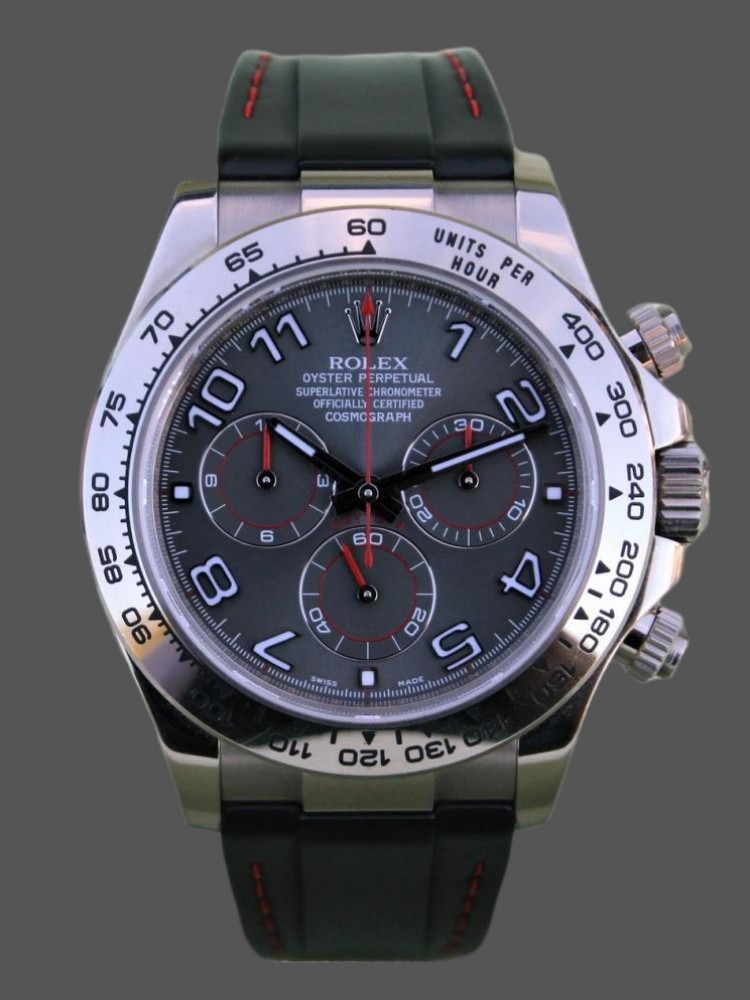
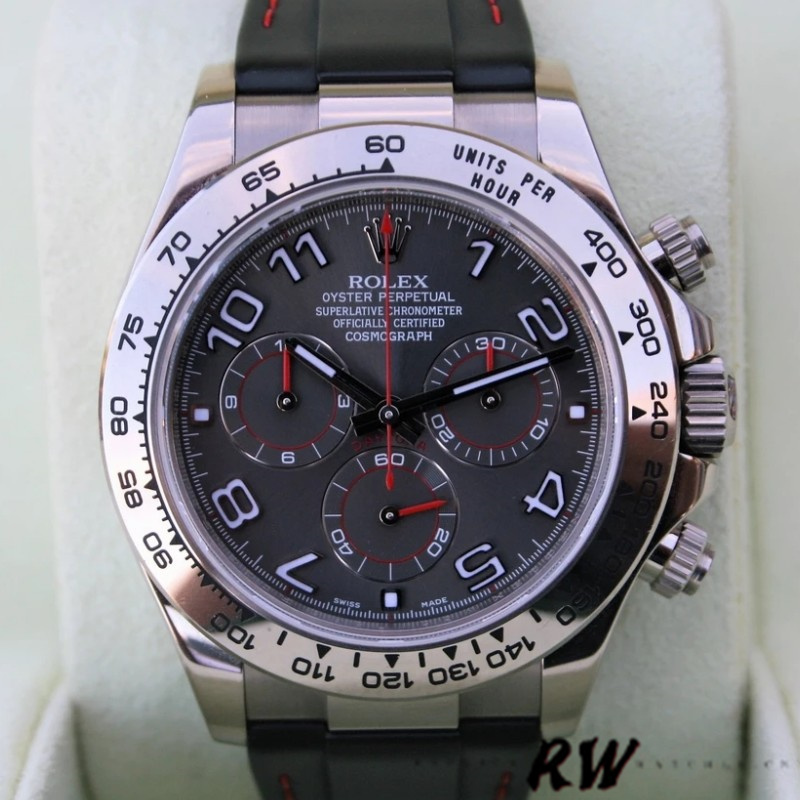
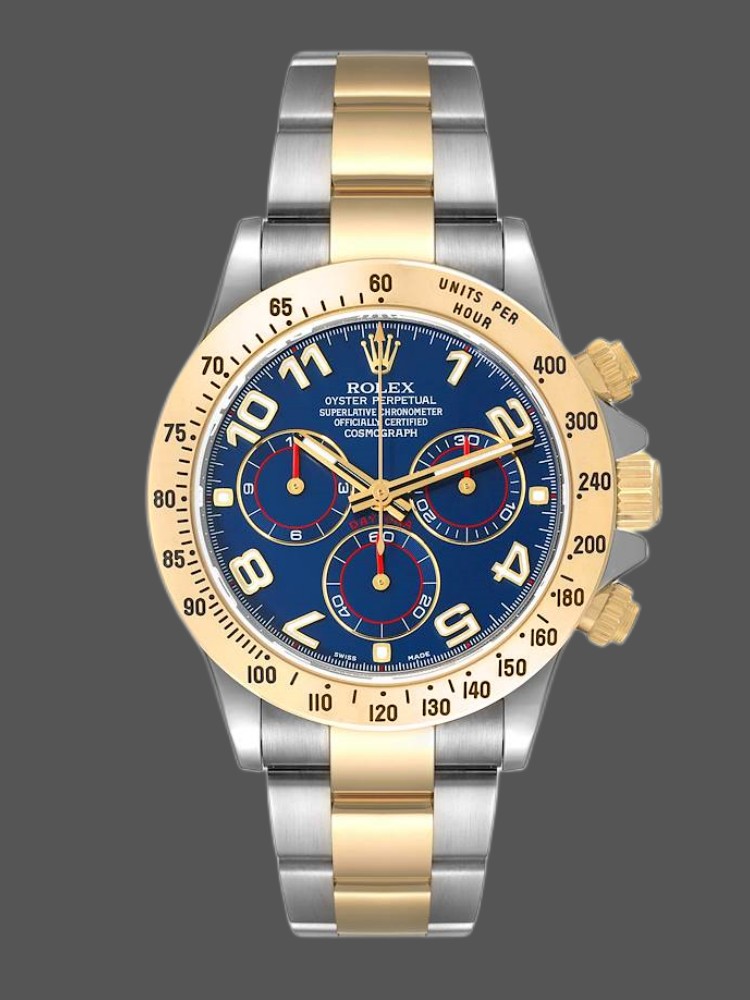
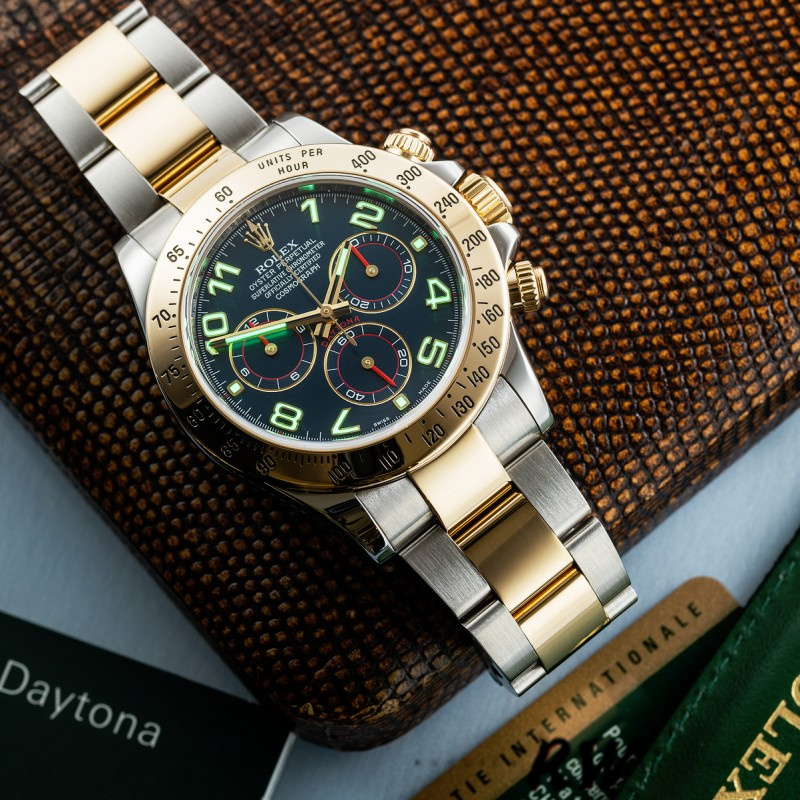
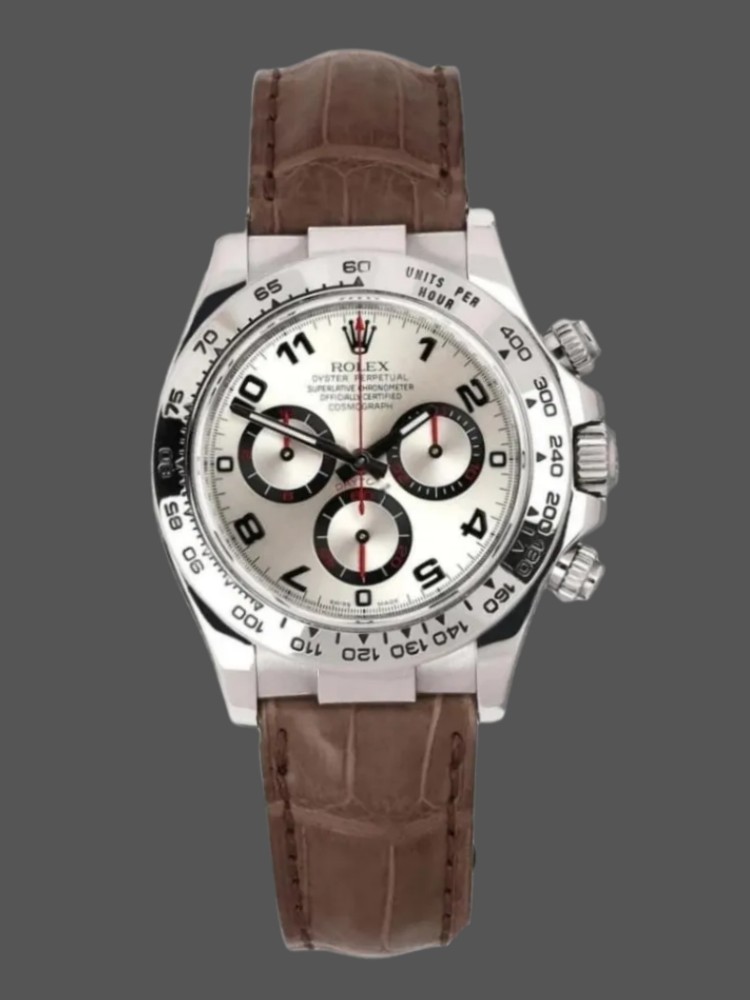
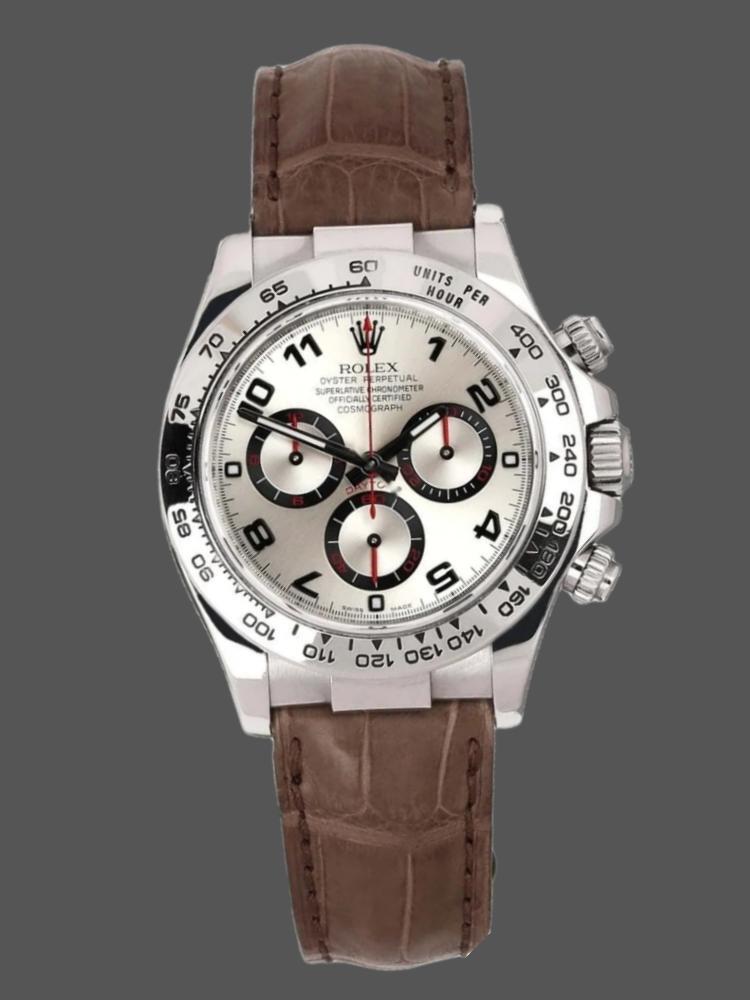
The history of racing chronographs is a journey of precision, speed, and human ambition. For decades, the mechanical racing watch was the ultimate tool for drivers. With complex subdials and robust tachymeter bezels, these timepieces were indispensable for calculating lap times and average speeds on the track.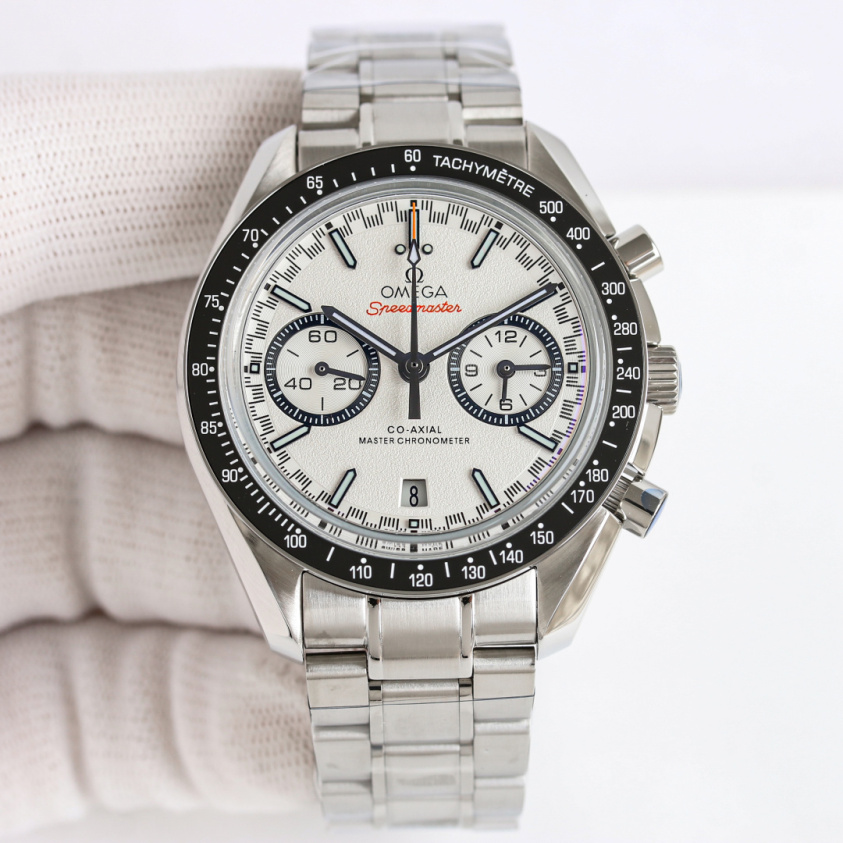
Back in the mid‑20th century, a chronograph wasn't just a style statement; it was a survival instrument. Legendary drivers relied on the mechanical heart of their watches to measure fuel consumption and performance intervals. The tactile experience of pushing a chronograph button—feeling the crisp engagement of the movement—created a profound bond between the driver and the machine.
- Tachymeter bezels to convert lap timing into average speed over a known distance
- Column‑wheel and vertical‑clutch mechanics for reliable start‑stop‑reset operations under track vibration
- High‑contrast dial layouts, enlarged pushers usable with racing gloves
- Robust case construction built to handle shock and rapid temperature changes on circuits
These analog chronographs prioritized function over flair. Every sub‑dial, pusher and scale existed to give pit crews and drivers instant, actionable timing data out on the race track.
The Digital Shift: Quartz Movements Reshape Chronograph Accuracy
As technology progressed, quartz movements introduced unmatched accuracy, making the "tool watch" more accessible. While purists clung to the rhythmic ticking of gears, others embraced the efficiency of digital displays. These watches offered split‑second precision, setting the stage for the next leap in innovation.
Quartz‑powered chronographs delivered far superior timekeeping stability compared to traditional mechanical movements, requiring minimal maintenance beyond occasional battery swaps. Digital readouts simplified lap‑time reading, removing the need to interpret printed tachymeter scales under stressful racing conditions.
Even so, many motorsport collectors kept their affection for mechanical chronographs. The tangible feedback of physical pushers, the heritage of hand‑finished movements and the visual drama of sweeping mechanical hands could not be fully replaced by early digital watch tech.
The Smartwatch Revolution: Telemetry Replaces Traditional Lap Timing
Today, the essence of the racing chronograph has shifted to the wrist‑worn computer. Modern smartwatches do more than just measure time; they provide real‑time telemetry, GPS tracking, and heartbeat monitoring. While they lack the intricate mechanical springs of the past, they offer:
- Instant connectivity: Syncing directly with vehicle data.
- Customizable interfaces: Digital tachymeters that adapt to your environment.
- Endurance features: Enhanced durability for high‑intensity motorsport conditions.
- Automated lap logging, exporting race session data to mobile apps for post‑race analysis
Smart wearables remove human error from lap recording. Instead of manually pressing pushers at the finish line, GPS and vehicle Bluetooth connections capture every sector time automatically. For amateur track‑day participants, this brought professional‑grade timing to an affordable consumer‑level device.
Why Mechanical Racing Chronographs Still Hold Huge Appeal In 2026
Even with powerful smartwatch alternatives widely available, motorsport fans continue to seek well‑built analog racing chronographs. It is not purely about raw timing performance.
Many enthusiasts value the emotional connection to motorsport history. A mechanical racing chronograph carries forward the design language of mid‑century race‑car pit equipment: tachymeter bezels, tricompax sub‑dial layouts, sporty case proportions and motorsport‑inspired color accents.
Modern affordable racing‑chronograph designs keep that heritage alive. Key features include 40‑43 mm case sizing, reliable chronograph calibers, 200‑meter water resistance, sapphire crystal and vintage‑infused dial styling for everyday wear beyond the race track. They serve both as functional timepieces and wearable tribute to racing culture.
Where Is The Racing Chronograph Heading Next?
We are now seeing a growing hybrid middle ground between pure mechanical chronographs and full‑featured smartwatches. Hybrid racing‑style watches retain analog hands and classic chronograph aesthetics while adding limited smart capabilities: lap‑memory storage, activity tracking, and low‑power Bluetooth sync without bulky full‑touch‑screen interfaces.
Whether you appreciate the craftsmanship of a vintage mechanical timepiece or the technical prowess of a modern smartwatch, the goal remains the same: mastering the race against time. As we look forward, the legacy of the racing chronograph continues to evolve, proving that our need for speed and precision is truly timeless.
Frequently Asked Questions About Racing Chronograph Evolution
What was the original purpose of racing chronograph watches?
Racing chronographs were built for motorsport timing: recording lap times, sector splits, and calculating average speed using tachymeter scales for drivers and pit crews in‑circuit environments.
Are smartwatches better than mechanical racing chronographs for track‑day use?
Smartwatches excel at automated GPS lap logging and telemetry data. Mechanical chronographs offer manual stopwatch functions plus unmatched heritage, style and tactile appeal for collectors and racing fans.
Do modern analog racing chronographs still use tachymeter bezels?
Yes. Many contemporary motorsport‑inspired chronographs retain tachymeter bezels as a core design element, honoring classic racing‑watch DNA even for everyday casual wear.