







Top 7 Maintenance Tips to Keep Your Racing Chronograph Accurate
Why Proper Care Matters for Your Racing Chronograph
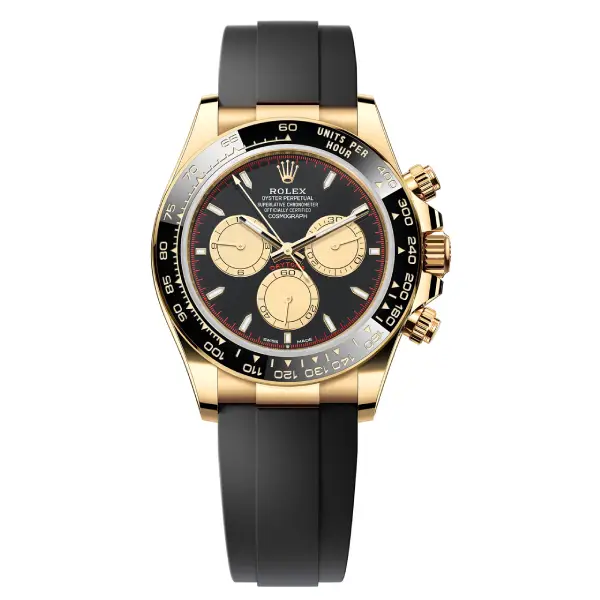
A racing chronograph is a precision‑built mechanical instrument, engineered for motorsport‑style timing and everyday wear. Whether you wear it for track‑day inspiration or daily casual use, neglect can cause lost accuracy, gear wear, gasket failure and shortened watch lifespan. Simple regular care will keep your chronograph running reliably for many years. Below are seven core maintenance tips every racing‑chronograph owner should follow.
1. Rinse and Clean After Heavy Wear
Sweat, dust, road grime and salt residue will corrode even high‑grade stainless‑steel cases and bracelet links over time. After intense activity or long‑day wear, wipe the full watch case, pushers and bracelet with a soft damp microfiber cloth to remove perspiration and dirt. Do not submerge the watch for cleaning unless you have confirmed full water‑resistance status. Dry thoroughly before storage.
2. Keep Away From Magnetic Sources
Magnetism is one of the silent enemies of mechanical chronograph accuracy. Modern‑day magnetic phone chargers, speaker systems, refrigerator doors and other household electronics can magnetize the balance wheel inside your movement. Once magnetized, your chronograph will gain or lose time unpredictably. Always store and wear your watch away from strong magnetic objects.
3. Use Chronograph Stopwatch Functions Moderately
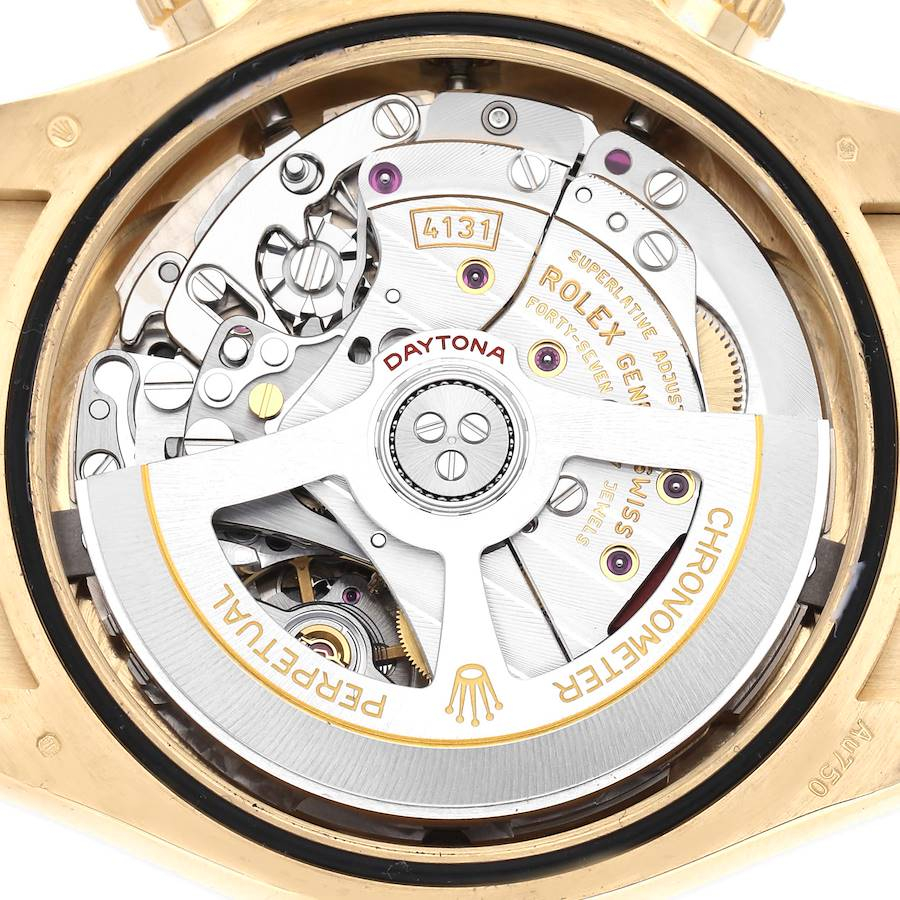
Running the chronograph stopwatch non‑stop puts extra load on gears and consumes power reserve on automatic models. Activate the timing function only when you actually need it for lap‑timing or event measurement. While high‑end vertical‑clutch movements handle extended use better, continuous long‑term operation will still accelerate internal component wear. It is good practice to run the chronograph for a few minutes periodically to circulate lubricants, but avoid leaving it running 24/7.
4. Annually Inspect Water‑Resistance Gaskets and Seals
Water‑resistance is not permanent. Rubber gaskets degrade naturally with age, temperature swings and regular wear. Even if your watch is marked for high‑meter water resistance, steam from saunas and hot showers can sneak past aging seals and fog the dial interior. Have a watchmaker check gaskets and perform pressure testing once per year. Never wear your chronograph in saunas or deep diving unless explicitly rated for those conditions.
5. Follow Correct Storage Habits
When you are not wearing your racing chronograph, store it inside a cool, dry watch box. This shields it from accidental knocks, dust and humidity. For automatic self‑winding chronographs, you can use a quality watch winder to keep the movement running and prevent lubricant congealing. For manual‑wind models, wind 20‑30 clockwise turns until you feel gentle resistance before putting it away for extended storage.
6. Stick To A Regular Professional Service Schedule
Think of your mechanical chronograph like a high‑performance race‑car engine: it needs periodic oil changes. Schedule full professional watch servicing every 3‑5 years. During service, the watchmaker will fully disassemble, clean, re‑lubricate moving components, replace worn gaskets, and fine‑tune timekeeping accuracy. Do not wait until your watch is losing or gaining large amounts of time to book service.
7. Avoid Hard Impacts and Learn Safe Chronograph Operating Rules
Mechanical chronograph internal parts including the delicate balance staff are sensitive to hard shocks. Remove your watch during mountain biking, contact sports or high‑impact activities. Beyond physical knocks, many damages come from incorrect button operations:
- Never press the reset pusher while the chronograph stopwatch is actively running; always hit stop first (flyback / rattrapante special‑function watches are the only exception).
- Avoid adjusting date hands within the 3‑9 o’clock danger window, to protect interlocking calendar gears.
- If your watch features screw‑down pushers, fully unlock them counter‑clockwise before pressing start / stop buttons.
- Before starting a new timing session, confirm chronograph hands sit perfectly at zero / 12‑o’clock position.
Quick Common Mistakes Racing Chronograph Owners Make
Many avoidable repairs stem from simple bad habits:
- Believing “water‑resistant” means safe for saunas, hot tubs or deep diving.
- Ignoring magnet risk from everyday phone accessories.
- Constantly running chronograph stopwatch mode day and night.
- Putting off servicing until visible performance issues appear.
Treat your racing chronograph with consistent care, and it will reward you with precise time‑keeping for generations to come.
Frequently Asked Questions
How often should I service my racing chronograph watch?
For most mechanical racing chronographs, a full professional service every 3‑5 years is recommended, regardless of whether it appears to keep accurate time. Lubricants degrade slowly out of sight.
Can I leave my chronograph stopwatch running all the time?
It is not advised for daily use. It increases gear wear and drains power reserve. You can run it for a few minutes now and then to circulate lubricants, then reset it.
What happens if I adjust the date between 3 and 9 o’clock?
The calendar gears are engaged in this danger zone. Adjusting date here risks stripping or damaging internal calendar components.
Is it safe to clean my chronograph watch at home?
You can wipe down case and bracelet with soft microfiber damp cloth. Avoid soaking or scrubbing the dial, pushers and crown area. Deep internal cleaning should always be done by a professional watchmaker.