







Understanding Chronograph Complications in High-Performance Watches
What Exactly Is a Chronograph Complication?
A chronograph is far more than just a watch; it is a masterpiece of precision engineering designed to measure elapsed time. For those captivated by high‑performance timepieces, understanding this complication is essential.
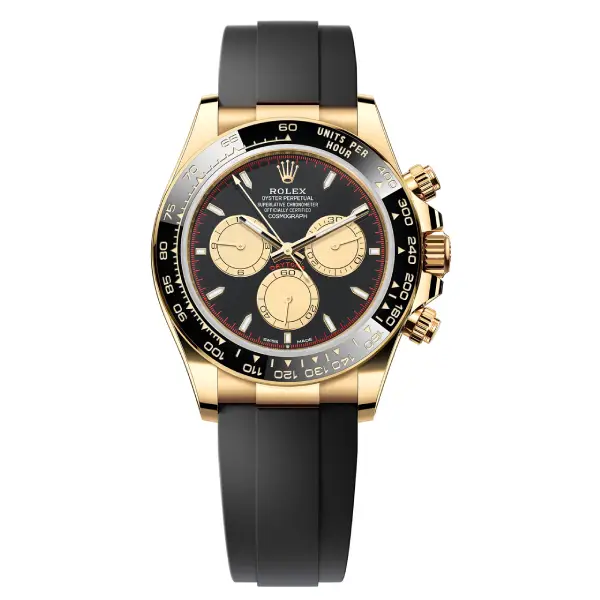
At its core, a chronograph functions as a stopwatch integrated into the main watch movement. Whether you are tracking race lap times or timing real‑world events, the mechanism operates via a sophisticated series of gears, levers and clutches. Three core exterior elements define most chronograph watches:
- The Pushers: Usually located at 2 and 4 o'clock, these external buttons start, stop, and reset the chronograph sweep hand.
- Sub‑dials: These small inner registers track elapsed minutes and hours, enabling measurement of long‑duration events beyond one minute.
- The Tachymeter Scale: Most often printed or engraved on the watch bezel. It converts measured elapsed time into average speed, a hugely popular feature among motorsports fans.
Core Internal Mechanisms of Chronograph Movements
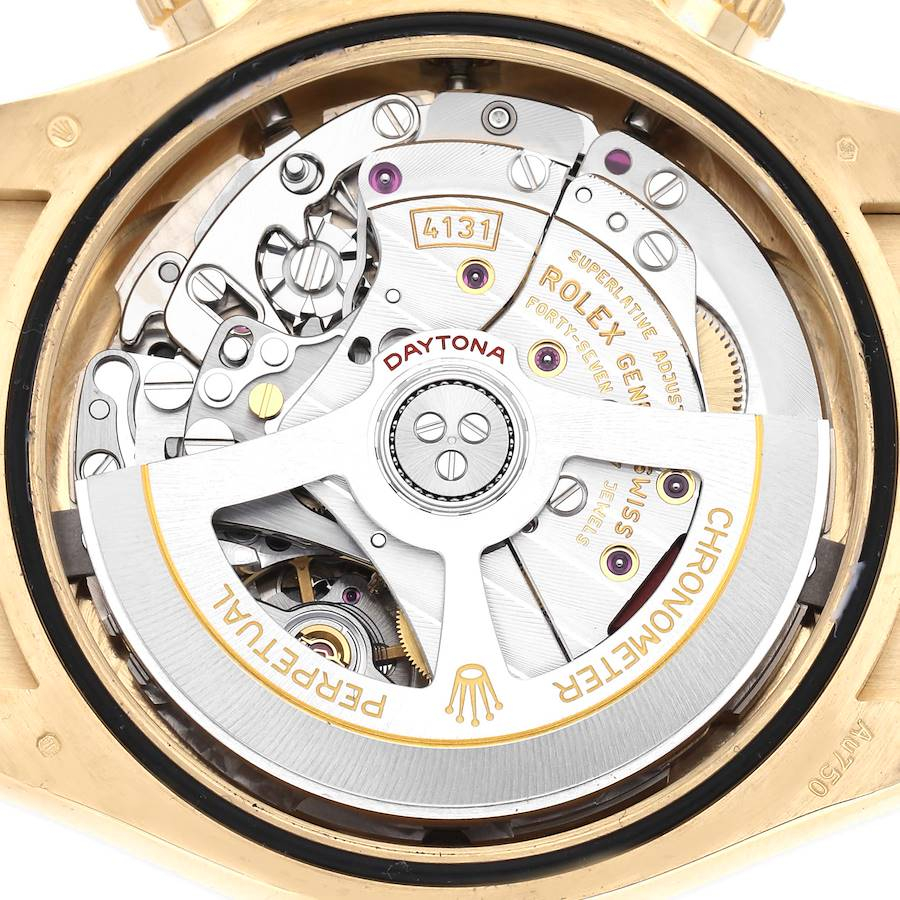
Beyond the visible pushers and dials, the real performance difference lives inside the movement. Two critical sets of design choices define how your chronograph feels and performs: actuation systems and clutch types.
Column‑Wheel vs Cam‑Actuated Chronographs
- Column‑Wheel: Found in premium high‑end chronograph models. It uses a small rotating turret with pillars to guide internal levers. Pushers deliver silky‑smooth tactile feedback, and the chronograph hand engages cleanly with minimal stutter. This design is prized by watch enthusiasts, though manufacturing complexity raises production costs.
- Cam‑Actuated: A durable, cost‑effective alternative that relies on a heart‑shaped cam component to operate levers. Button presses require slightly more force, yet the mechanism is extremely robust and straightforward for watchmakers to service and repair.
Vertical Clutch vs Horizontal Clutch
- Horizontal (Lateral) Clutch: Meshes timekeeping gears and chronograph gears side‑by‑side. Visually appealing when viewed through a sapphire display case‑back. One known drawback: the seconds hand may produce a small jump or stutter the moment the chronograph is activated.
- Vertical Clutch: Engages gears by stacking friction discs on top of one another. It eliminates hand shudder for perfectly smooth starts. It also permits running the chronograph for extended periods without excessive additional wear to the base movement, ideal for frequent lap‑timing use.
Advanced Chronograph Complications For High‑Performance Use
Standard start‑stop‑reset chronographs are versatile, but watchmakers have created specialized advanced complications built for racing, aviation and competitive sports scenarios.
Flyback Chronograph
On a conventional chronograph, timing consecutive laps requires three separate actions: Stop → Reset → Start. A flyback chronograph lets the chronograph hand fly instantly back to zero and immediately restart timing with one single press. No extra intermediate steps.
- Best for: Racing drivers and pilots timing consecutive laps or navigation segments, where every fraction of a second counts.
Rattrapante (Split‑Seconds) Chronograph
Derived from the French word rattraper meaning “to catch up”, rattrapante is among the most complicated horological complications. It features two overlapping chronograph seconds hands that run together.
- Press the main pusher to launch both hands simultaneously.
- Activate the dedicated third pusher to halt the top split hand to log one intermediate time, while the second hand keeps running.
- Press once more, and the split hand catches back up to match the moving hand.
- Best for: Timing two racers or multi‑stage competitive events at the same time.
Monopusher (Monopulsante) Chronograph
Ditching the classic two‑button layout, the monopusher uses only one button (often integrated within the crown) to cycle through all functions: Start → Stop → Reset in sequence.
- Best for: Collectors seeking clean vintage case styling. Limitation: you cannot pause and then resume an ongoing timing session.
High‑Frequency / Fractional‑Second Chronographs
Standard mechanical chronographs commonly beat at 4Hz (28,800 vph), measuring down to 1/8 of a second. High‑frequency movements boost vibrations per hour for finer time resolution.
- 5Hz movements (36,000 vph): capable of reading down to 1/10th of a second.
- Ultra‑high‑frequency regulators can achieve precision as fine as 1/2000th of a second for professional‑grade timing.
Quick Reference Table: Chronograph Complication Overview
| Complication Type | Key Feature | Primary Use Case | Complexity Level |
|---|---|---|---|
| Standard Chronograph | Separate start, stop, reset pushers | General‑purpose event timing | Moderate |
| Flyback | One‑button reset‑and‑restart | Motorsport lap timing, aviation | High |
| Rattrapante (Split‑Seconds) | Dual overlapping seconds hands | Two‑competitor race timing | Extremely High |
| Monopusher | Single‑button sequential operation | Vintage‑style minimalist aesthetics | High |
How To Pick The Right Chronograph For You
When shopping for a high‑performance chronograph, do not only judge appearance. Think about real‑world usage:
- If you love motorsport lap timing: prioritize vertical‑clutch or flyback‑equipped models.
- If you value smooth button feel: look for column‑wheel actuation.
- If you prefer low‑maintenance robustness: cam‑actuated movements offer great service‑friendliness.
- For pure collection and vintage style: consider monopusher designs for their distinctive case lines.
Whether you appreciate mind‑bending mechanical complexity or just love the sporty aesthetic, the chronograph remains an absolute horology staple, perfectly blending practical utility and collectible style for every watch enthusiast.
Frequently Asked Questions
What is the difference between a chronograph and a regular watch?
A chronograph adds a built‑in stopwatch complication. A normal watch only shows the current time; a chronograph can independently measure and record elapsed time via pushers, sub‑dials and special internal gearing.
What does a tachymeter scale do?
The tachymeter on the bezel converts elapsed measured time into average speed, originally created for motorsport lap‑time calculations.
Which is better: column‑wheel or cam‑actuated?
Column‑wheel delivers superior silky button tactility but costs more. Cam‑actuated is tough and easier to service. There is no universal “better”, it depends on your priorities for feel versus practicality.
What makes a rattrapante so special?
Its dual independent overlapping seconds hands allow capturing two different timestamps during one ongoing event, yet it is one of the most difficult chronograph complications to manufacture and service.