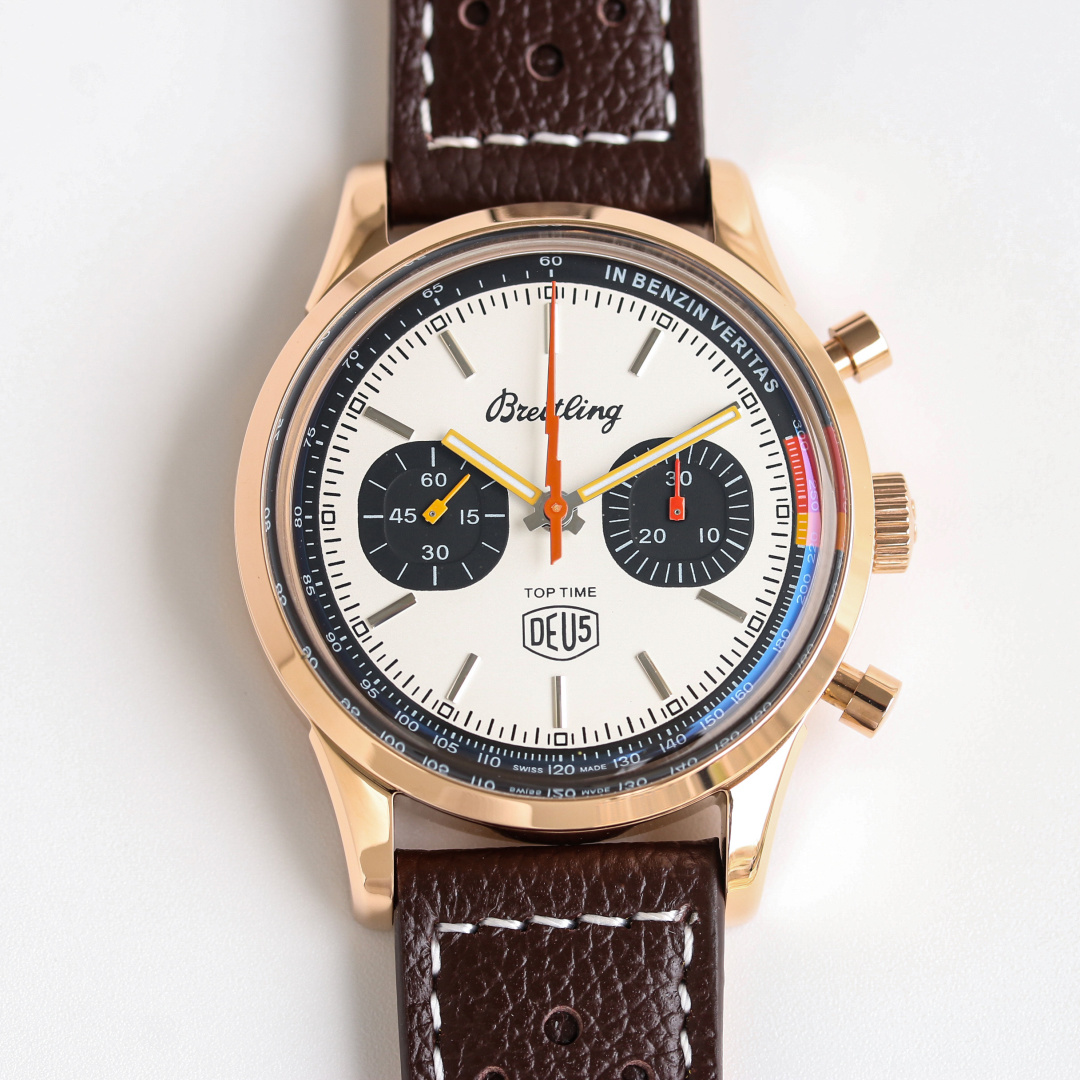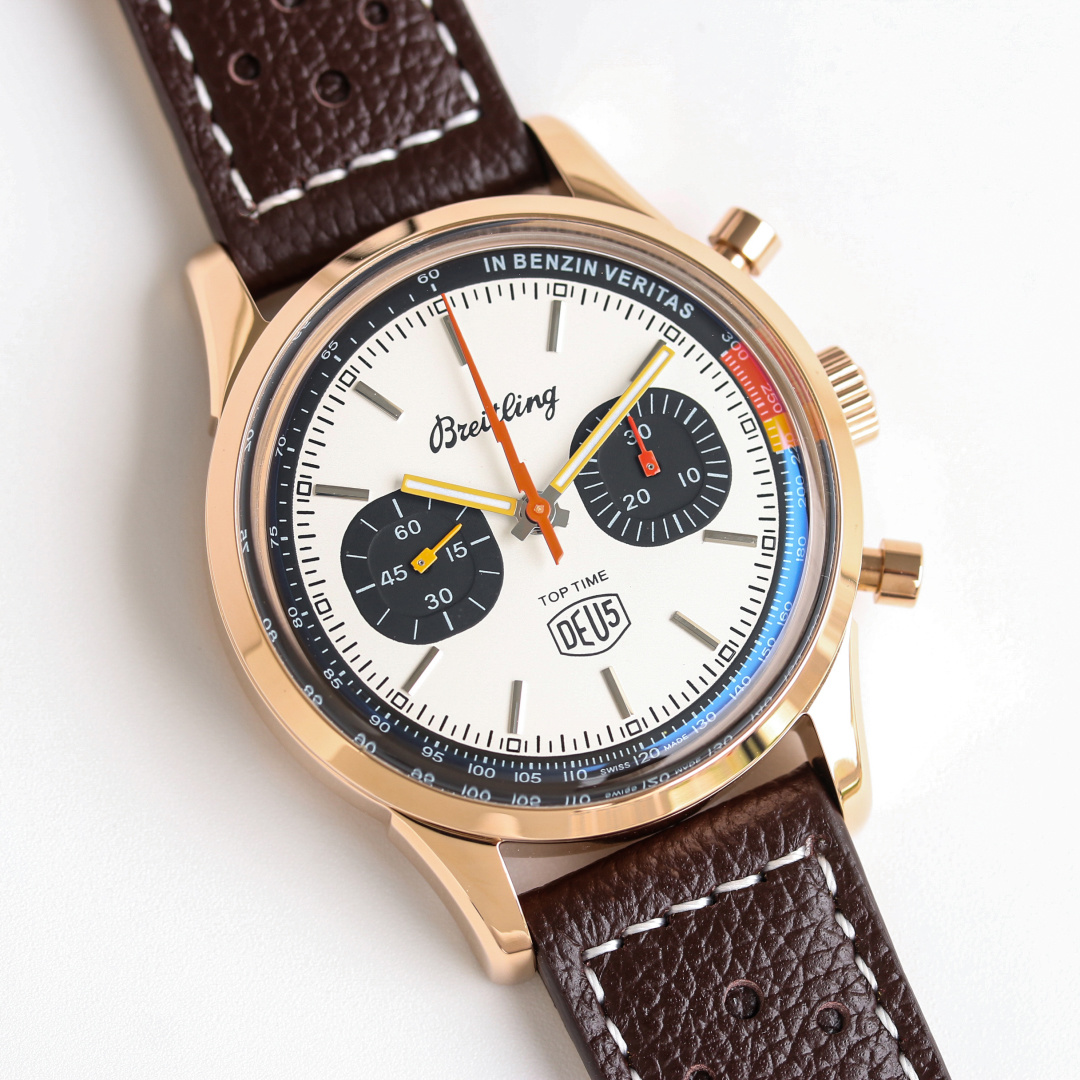








Understanding Tachymeter Bezels on Racing Watches
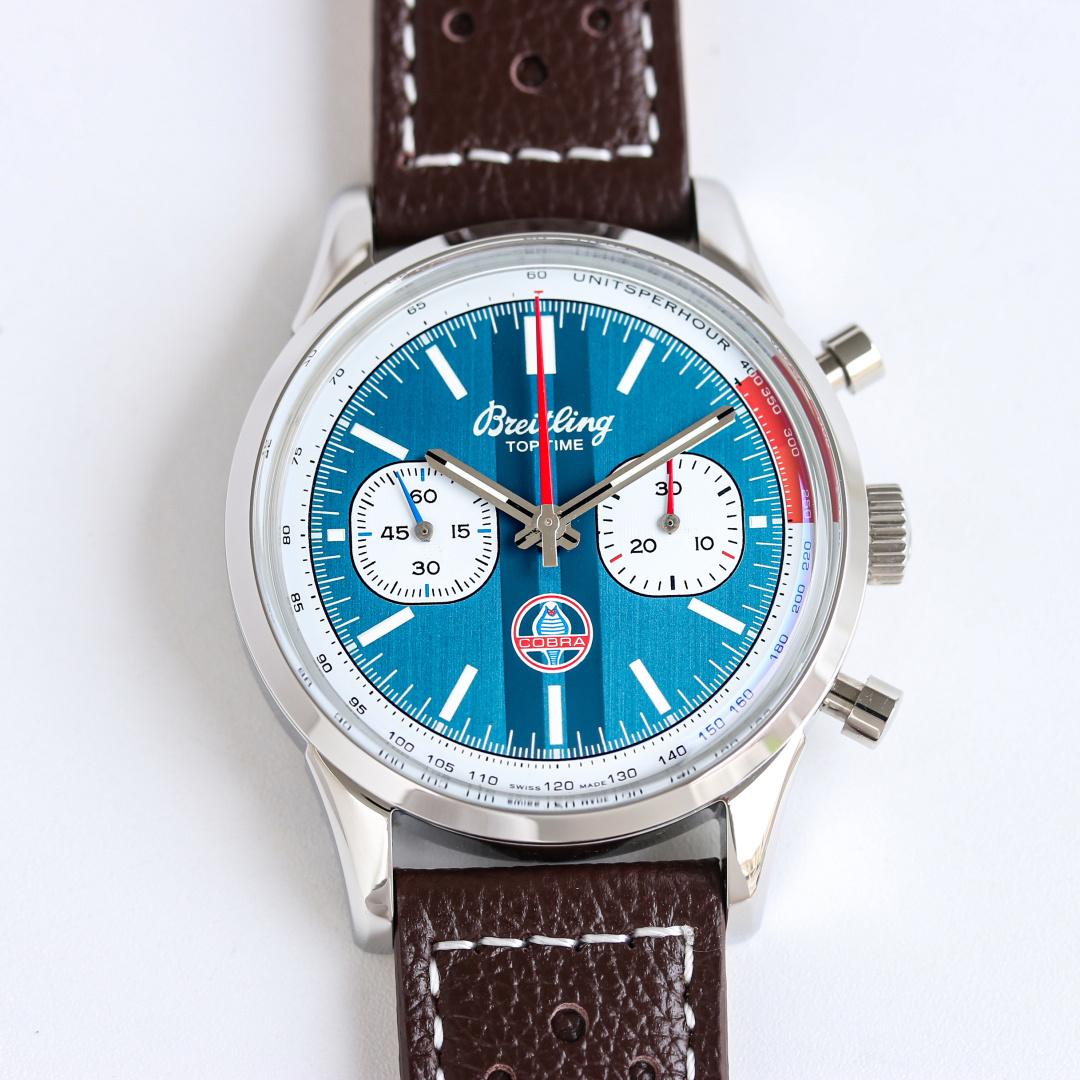
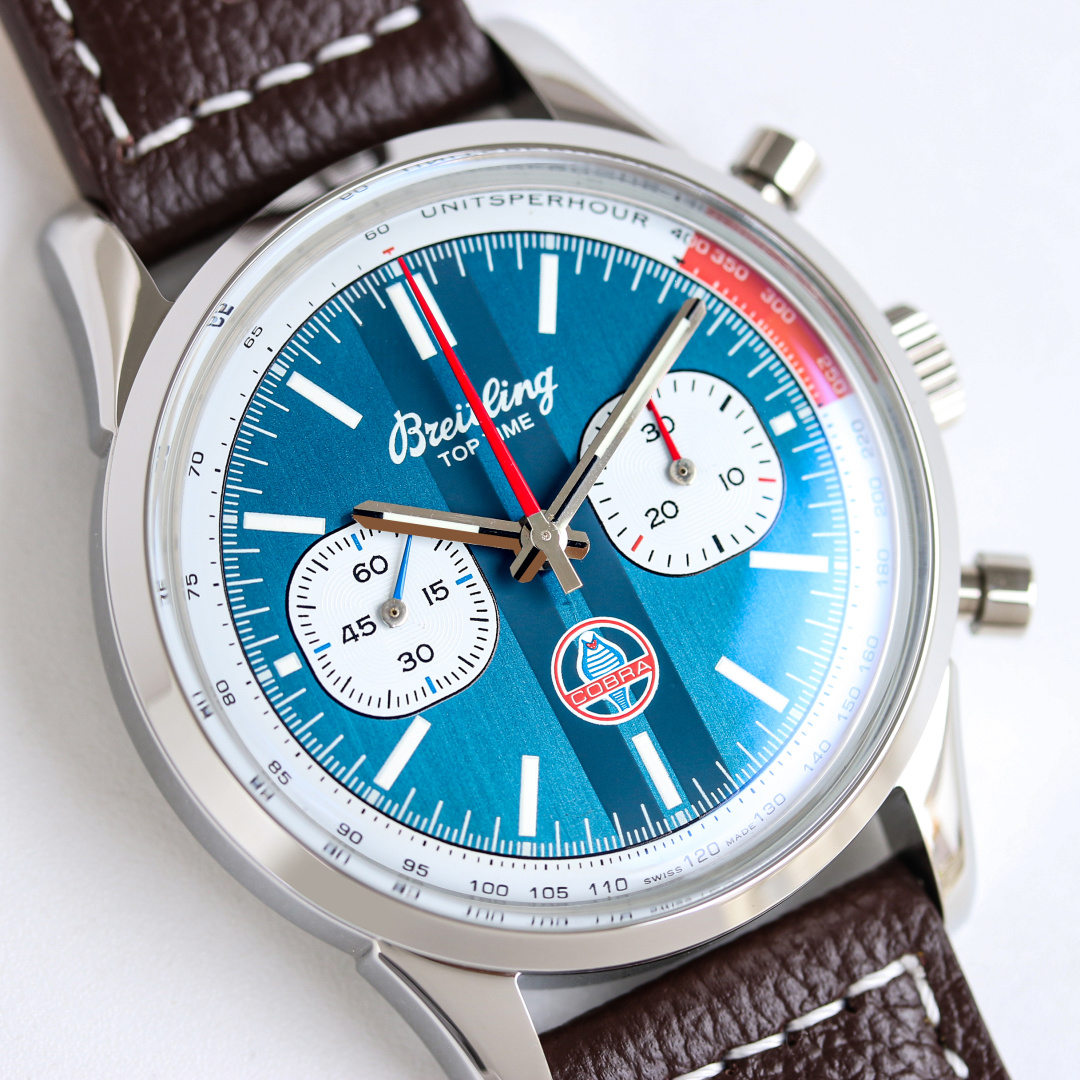
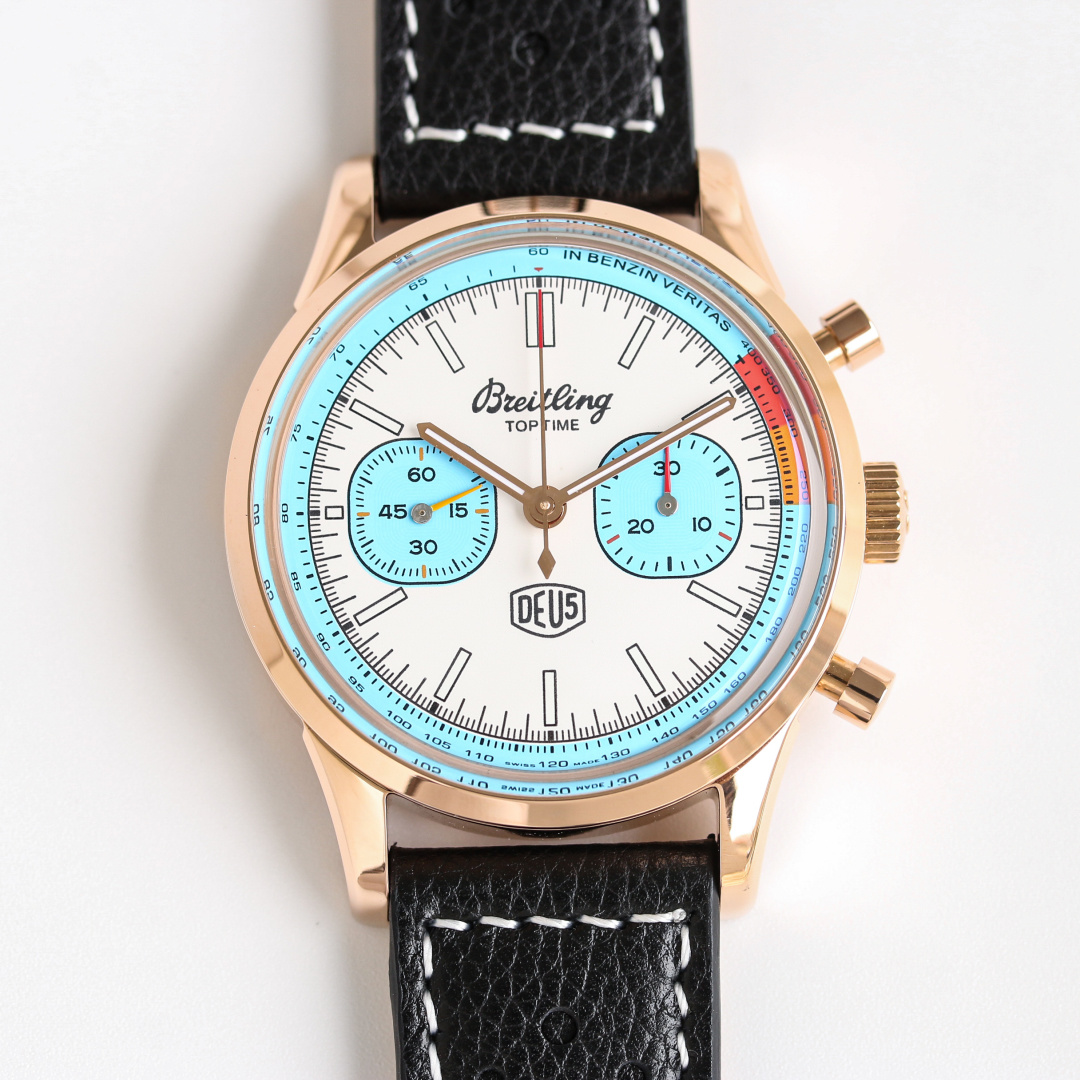
A tachymeter bezel is a fixed, non‑rotating outer ring integrated into premium racing chronograph watches, designed to convert elapsed time into average speed or hourly production rates. As one of the most recognizable functional features of motorsport‑focused timepieces, it serves as a built‑in mechanical calculator that eliminates the need for digital speed‑tracking tools during on‑track use and everyday timing tasks.
The Core Mathematical Formula Behind Tachymeter Scales
While the numerical markings around a tachymeter bezel may appear complex, they operate on a straightforward inverse‑proportional formula that powers all standard racing watch speed calculations:
T = 3600 ÷ t
- T: The corresponding number shown on the tachymeter scale
- 3600: Total seconds within one hour
- t: Elapsed time in seconds recorded by the watch’s chronograph stopwatch
This formula makes the scale unit‑agnostic, functioning seamlessly for miles per hour (mph), kilometers per hour (km/h), and nautical knots. Standard tachymeter markings are optimized for events lasting 7 to 60 seconds, covering most real‑world motorsport and repetitive‑task timing scenarios. Numbers on the bezel decrease clockwise, reflecting faster speeds recorded with shorter travel times.
Step‑by‑Step Guide to Using a Tachymeter Bezel
1. Measure Average Vehicle Speed
This is the primary motorsport use case for racing chronograph tachymeter bezels:
- Identify a fixed, known one‑unit distance such as 1 mile or 1 kilometer with clear start and end markers.
- Start the chronograph timer by pressing the upper pusher as your vehicle crosses the starting point.
- Stop the timer when reaching the finish marker of the measured distance.
- Read the number on the outer bezel aligned with the central chronograph seconds hand — this value equals your average speed.
Example: If a race vehicle takes 40 seconds to travel one mile, the seconds hand points to 90, confirming an average speed of 90 mph.
2. Calculate Travel Distance at Constant Speed
When moving at a steady, known speed, the tachymeter tracks exact one‑unit distance coverage:
- Activate the chronograph while traveling at a consistent speed such as highway cruise control.
- Watch the sweeping seconds hand until it aligns with your current speed marking on the bezel.
- At this exact moment, you have traveled precisely one mile or kilometer.
3. Measure Hourly Production & Repetitive Task Rates
Beyond motorsports, tachymeter bezels calculate output frequency for short, repeated activities:
- Start the stopwatch at the beginning of a single task cycle, such as packaging or assembly work.
- Stop the chronograph once one full task finishes.
- The bezel reading displays total units produced per hour at that steady pace.
Example: A task completed in 15 seconds returns a reading of 240, meaning 240 units can be finished hourly under consistent conditions.
Key Limitations of Standard Tachymeter Bezels
- 60‑Second Maximum Window: Standard tachymeter scales only accurately measure events between 7 and 60 seconds. Timing longer activities requires manual mathematical adjustments for reliable readings.
- Average‑Speed Only Readings: Results reflect average speed over a measured distance. Rapid acceleration, braking, or speed changes skew final calculations.
- Chronograph Dependency: A functional stopwatch feature is required to align the seconds hand with the fixed bezel markings.
Tachymeter Bezel vs. Other Common Watch Bezels
Unlike alternative functional bezels found on luxury timepieces, tachymeter designs are purpose‑built exclusively for racing and speed calculation:
- Fixed vs. Rotating: Dive watch bezels rotate for elapsed dive‑time tracking, while tachymeter bezels are permanently fixed in position.
- Speed‑Focused Function: GMT bezels track multiple time zones, and diver bezels monitor dive duration; only tachymeter bezels deliver real‑time average‑speed calculations.
Final Notes for Racing Chronograph Buyers
For motorsport enthusiasts and everyday luxury watch wearers, understanding tachymeter functionality unlocks the full practical value of racing chronograph timepieces. Paired with high‑grade movements and shock‑resistant case construction, a crisp, legible tachymeter bezel defines the performance‑driven identity of premium racing watches, blending mechanical precision with timeless motorsport heritage.